The Growing Demand for Small Rock Crushers in the Aggregate Industry
The construction and mining industries rely heavily on crushed stone, sand, and gravel as essential materials for infrastructure projects. With urbanization accelerating globally, the demand for efficient and compact crushing equipment has surged. Small rock crushers, particularly those with a capacity of around 40 tonnes per hour, have become indispensable for small to medium-sized operations.
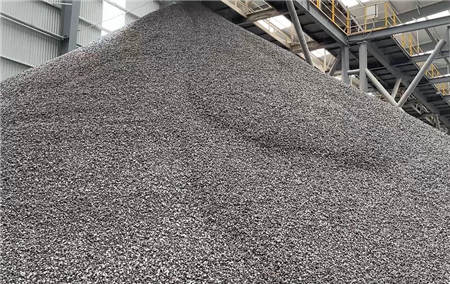
Compact yet powerful, these crushers are ideal for contractors needing mobility without sacing productivity. Key advantages include:
Popular models often feature jaw or impact crusher designs, offering high reduction ratios and consistent output sizes—critical for producing quality aggregates.
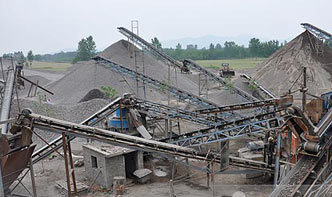
1. What’s the average output size?
Typically 10–50mm, adjustable via screen configurations.
2. Can it handle wet or sticky materials?
Yes, but pre-screening may be necessary to prevent clogging.
3. What maintenance is required?
Regular lubrication, wear-part inspections, and cleaning ensure longevity.
A quarry in Texas upgraded to a 40-tonne/hour mobile crusher, reducing downtime by 30% while maintaining consistent gravel production for road construction. Similarly, a recycling plant in Germany utilized a compact jaw crusher to repurpose demolition waste into usable sub-base material.
For businesses seeking balance between performance and affordability, small rock crushers offer a practical solution. As technology advances, these machines continue to evolve—delivering greater efficiency and sustainability for the aggregate sector’s future needs.

