Barite Primary Crusher for Sale: A Key Solution for Mineral Processing
The global demand for barite, a critical mineral used in drilling fluids, paints, and medical applications, continues to rise. Efficient crushing is essential to meet industry standards, and selecting the right primary crusher is the first step in optimizing barite processing.
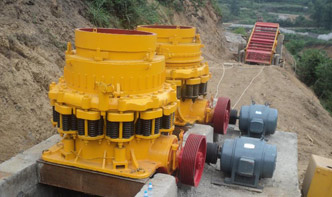
Barite (barium sulfate) is typically mined in large chunks and requires primary crushing to reduce particle size before further grinding or beneficiation. The mining and construction sectors rely on robust crushers capable of handling hard, abrasive materials like barite while ensuring high throughput and minimal downtime.
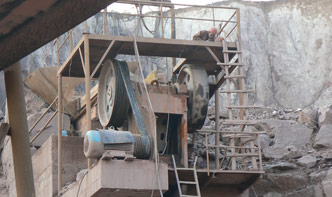
1. Jaw Crushers: Ideal for coarse crushing, jaw crushers offer high reduction ratios and durability. Models like the PE series are popular for their simplicity and low maintenance.
2. Gyratory Crushers: Suited for large-scale operations, gyratory crushers provide continuous crushing action with higher capacity but require more infrastructure.
3. Impact Crushers: For softer barite ores, impact crushers deliver finer output with adjustable settings for particle size control.
Key considerations when choosing a crusher include feed size, capacity requirements, and downstream processing needs.
Q: What is the typical feed size for a barite primary crusher?
A: Most jaw crushers accept feed sizes up to 1,200 mm, depending on the model.
Q: How to maintain a barite crusher?
A: Regular lubrication, wear-part inspections (e.g., jaw plates), and monitoring of vibration levels are critical.
Q: Can primary crushers handle wet barite ore?
A: Yes, but sticky material may require pre-screening or specialized designs to prevent clogging.
A mining company in Morocco upgraded its barite processing line with a PE600×900 jaw crusher, achieving a 200 TPH capacity and 20% energy savings compared to older equipment. The crushed output was optimized for subsequent ball milling, improving overall recovery rates.
Investing in the right primary crusher ensures efficient barite processing while reducing operational costs. Whether opting for jaw, gyratory, or impact crushers, evaluating material characteristics and production goals is essential for long-term success in mineral processing plants.

