The Role of Mobile Crushers in Concrete Aggregate Production
The global construction industry relies heavily on high-quality concrete aggregates, which form the backbone of infrastructure projects. With urbanization accelerating, the demand for efficient and sustainable aggregate production has never been higher. Mobile crushers have emerged as a game-changer in this sector, offering flexibility, cost-effectiveness, and environmental benefits.
Aggregates account for over 70% of concrete volume, making their production critical. Traditional stationary crushing plants face limitations in remote or temporary sites, where logistics and setup costs are prohibitive. Mobile crushers address these challenges by enabling on-site crushing, reducing transportation needs, and minimizing material waste.
1. Portability & Flexibility: Equipped with tracks or wheels, these units can be relocated easily between job sites.
2. Fuel Efficiency: Modern models integrate hybrid engines or direct-drive systems to cut operational costs.
3. Versatility: Capable of processing various materials (e.g., recycled concrete, natural rock) into different aggregate sizes.
4. Automation: Advanced control systems optimize crushing parameters for consistent output quality.
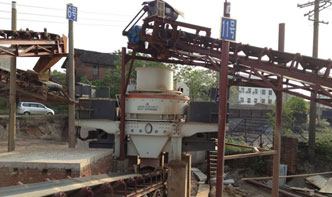
A: Jaw crushers (for primary crushing) and impact crushers (for finer aggregates) are commonly used. Cone crushers may be added for high-quality shaping.
A: By crushing on-site, it cuts truck emissions and noise pollution while promoting recycled material use.
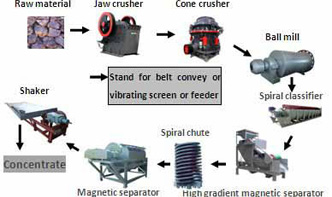
A: Regular checks on wear parts (blow bars, liners), lubrication systems, and engine components ensure longevity.
A highway project in Texas utilized a mobile jaw-impact crusher combo to process demolished concrete into Class-A base material. The setup reduced haulage distances by 60%, saving $250K in logistics costs while meeting strict gradation specs.
Mobile crushers are revolutionizing aggregate production by combining mobility with high performance. As sustainability regulations tighten, their adoption will grow—making them indispensable for modern construction and recycling operations worldwide.

