Crushing Plant for Magnetite Deposit: A Comprehensive Guide
The mining and aggregates industry plays a pivotal role in global infrastructure development, with magnetite deposits being a key resource for high-quality iron ore production. To maximize efficiency, specialized crushing plants are designed to process magnetite ore, ensuring optimal particle size reduction and material handling.
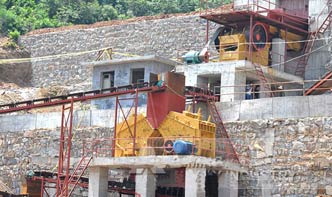
Magnetite, a ferrimagnetic mineral with high iron content (Fe₃O₄), is widely used in steel production, heavy media separation, and industrial applications. Unlike hematite, magnetite requires beneficiation to remove impurities, making crushing and grinding critical stages in the value chain. The demand for high-purity magnetite concentrates has driven advancements in crushing technology.
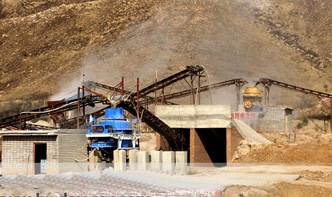
1. Primary Crushers: Jaw crushers or gyratory crushers are typically employed for coarse reduction of large magnetite chunks (up to 1.5m). Their robust design handles abrasive ore effectively.
2. Secondary & Tertiary Crushers: Cone crushers or high-pressure grinding rolls (HPGR) further reduce ore to ≤25mm, improving liberation for downstream magnetic separation.
3. Screening & Classification: Vibrating screens and hydrocyclones ensure proper sizing before grinding circuits.
4. Magnetic Separation: Post-crushing, low-intensity magnetic separators (LIMS) recover magnetite from gangue minerals.
Q1: Can a standard aggregate crusher process magnetite?
A: While possible, magnetite-specific designs prioritize wear resistance and precise sizing for beneficiation efficiency.
Q2: What’s the ideal final product size?
A: Typically ≤10mm for grinding feed, but specifications vary based on downstream processes.
Project: A magnetite mine in Western Australia deployed a three-stage crushing circuit (jaw + cone + HPGR) with LIMS integration, achieving 92% Fe recovery at 2000 TPH capacity. Challenges like silica contamination were mitigated via optimized screening and magnetic separation settings.
Tailoring crushing plants to magnetite’s unique properties ensures operational longevity and cost-effectiveness. Innovations in automation and wear materials continue to elevate productivity in this niche sector of mineral processing.For more details on customized solutions,could consult with engineering firms specializing in mineral processing systems

