Iron Laterite Processing in the Philippines: Challenges and Solutions for Crushing and Sand Making Equipment
The Philippines is rich in mineral resources, particularly iron laterite, which is widely distributed across regions like Surigao, Palawan, and Mindanao. As infrastructure development accelerates, the demand for high-quality sand and aggregates has surged, driving growth in the crushing and sand-making equipment industry.
Iron laterite, a weathered ore rich in iron and nickel, poses unique challenges due to its high moisture content, clay-like consistency, and abrasive nature. Traditional crushing methods often struggle with clogging, low efficiency, and excessive wear. To address these issues, specialized equipment such as jaw crushers, cone crushers, and vertical shaft impactors (VSIs) are increasingly deployed to optimize processing.
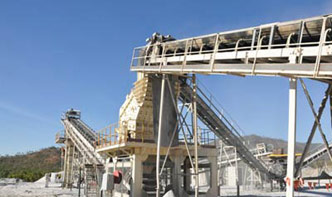
1. Primary Crushing: Heavy-duty jaw crushers or gyratory crushers are ideal for breaking down large laterite chunks into manageable sizes (150–300 mm). Their robust design handles abrasive materials effectively.
2. Secondary Crushing: Cone crushers or hammer crushers further reduce particle size (20–50 mm), with hydraulic systems adjusting discharge settings to minimize over-crushing.
3. Sand Making: VSI crushers are preferred for producing cubical-shaped sand (0–5 mm) from laterite waste, enhancing concrete strength in construction applications.
Q1: Can iron laterite be directly used as construction sand?
A: No—laterite requires crushing, washing, and grading to meet ASTM/CEN standards for silt content and particle shape.
Q2: What maintenance practices reduce downtime?
A: Regular lubrication, wear-part inspections (every 200–300 hours), and real-time monitoring of vibration/temperature are critical.
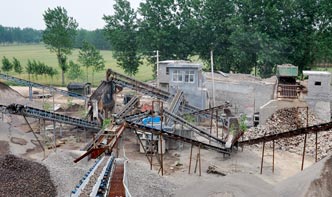
A mining company in Surigao implemented a 200 TPH laterite processing line featuring:
Result: Aggregate production increased by 35%, with sand quality meeting ISO 9001 standards for local road construction projects.
Tailored crushing solutions unlock the potential of Philippine iron laterite reserves while supporting sustainable infrastructure growth. Investing in advanced technology ensures efficiency, cost savings, and compliance with environmental norms—a win-win for miners and builders alike.

