The Sand and Aggregate Industry: Key Insights on Manhours per Cubic Meter of Concrete
The sand and aggregate industry plays a critical role in global construction, supplying essential materials for concrete production. With urbanization accelerating worldwide, demand for high-quality aggregates continues to rise. However, optimizing productivity—particularly manhours per cubic meter of concrete—remains a challenge for many operations.
Concrete consists of cement, water, and aggregates (sand, gravel, or crushed stone). The quality and consistency of aggregates directly impact concrete strength and durability. Traditional methods relied on natural sand extraction, but environmental concerns have shifted focus toward manufactured sand (M-Sand) produced by crushing rocks.
Modern crushing and sand-making equipment significantly improve efficiency by reducing waste and ensuring uniform particle size distribution. This shift lowers labor requirements while maintaining high output standards.
1. Equipment Efficiency: Advanced crushers (e.g., cone crushers, VSI impact crushers) automate much of the process, reducing manual labor per cubic meter.
2. Material Hardness: Harder rocks require more processing time but yield durable aggregates suitable for high-strength concrete.
3. Workflow Optimization: Integrated screening and washing systems minimize downtime and rework.
4. Operator Skill Level: Trained personnel can maximize equipment output while reducing errors that lead to wasted effort.
Estimates vary based on equipment and material type but generally range from 0.5 to 1.5 manhours/m³ in optimized setups with automated machinery. Manual processes may exceed 2 manhours/m³ due to inefficiencies.
Yes, recycling demolition waste reduces raw material procurement efforts but may require additional sorting steps upfront.
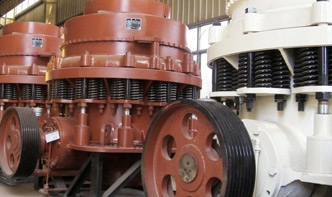
High-capacity crushers often pay back within 2–3 years through reduced labor costs and higher throughput rates compared to outdated machinery.
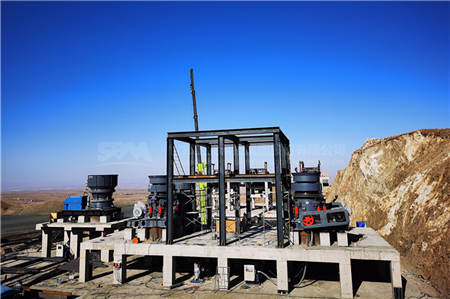
A quarry in Southeast Asia upgraded from jaw crushers to a multi-stage VSI crushing system, cutting manhours per cubic meter by 40%. Automation reduced reliance on manual sorting while improving aggregate gradation consistency—critical for precast concrete applications requiring strict compliance with international standards (e.g., ASTM C33).
Investing in modern crushing technology is key to minimizing manhours while meeting rising demand sustainably. Operators must balance initial capital costs against long-term labor savings—especially as environmental regulations tighten globally favoring manufactured over natural aggregates adoption continues growing steadily across markets today.”

