Optimizing Ball Mill Performance: Minimizing Losses in Tailing Operations
The mining and aggregate industry relies heavily on ball mills for grinding and pulverizing raw materials into fine particles. However, one persistent challenge is the loss of valuable material in tailings, which can significantly impact operational efficiency and profitability. Understanding these losses and implementing strategies to mitigate them is crucial for sustainable operations.
Industry Background
Ball mills are integral to mineral processing and aggregate production, transforming coarse materials into finer grades suitable for construction or further processing. Tailing losses occur when fine particles escape during the grinding process, often due to inefficient classification or suboptimal mill parameters. These losses not only reduce yield but also increase waste management costs.
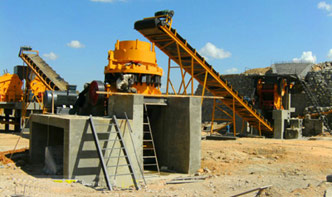
Core Issues and Solutions
1. Classification Efficiency: Poorly functioning classifiers allow fine particles to bypass the recirculation loop, leading to tailing losses. Upgrading to high-efficiency classifiers (e.g., hydrocyclones or air classifiers) can improve particle separation.
2. Grinding Media and Liner Wear: Worn media or liners reduce grinding efficiency, increasing unrecoverable fines. Regular maintenance and using wear-resistant materials extend equipment life.
3. Mill Overloading: Excessive feed rates disrupt particle retention time, causing premature discharge. Optimizing feed control systems ensures consistent throughput.
4. Water and Slurry Management: In wet grinding, improper slurry density hinders particle settling. Adjusting water-to-solid ratios enhances recovery rates.
FAQ Section
A: Conduct periodic sieve analysis of tailings and compare with feed material to quantify losses.
A: Larger balls crush coarse particles but may overlook fines; a balanced mix improves overall grinding efficiency.
Engineering Case Study
A limestone quarry in Texas reduced tailing losses by 15% after retrofitting their ball mill with a high-frequency screen classifier and optimizing slurry density. The project paid for itself within eight months through increased product recovery.
By addressing these factors, operators can minimize tailing losses, boost productivity, and align with environmental regulations—key priorities in today’s competitive aggregate sector.

