The Assembly Process of Mobile Crushers in the Aggregate Industry
The aggregate industry plays a pivotal role in construction, infrastructure, and mining sectors, providing essential materials like sand, gravel, and crushed stone. Mobile crushers have revolutionized this industry by offering flexibility, efficiency, and reduced operational costs. Understanding their assembly process is critical for optimizing performance and longevity.
A mobile crusher integrates several key components:
1. Chassis & Mobility System
– The base frame is constructed from high-strength steel to withstand heavy loads.
– Tracks or wheels are mounted for mobility, ensuring adaptability across rough terrains.
2. Crushing Unit Installation
– Jaw, cone, or impact crushers are secured onto the chassis based on application needs.
– Hydraulic systems and motors are connected to enable adjustable crushing settings.
3. Feeding & Conveying Systems
– Vibrating feeders and hoppers are installed to regulate material flow.
– Discharge conveyors are assembled to transport processed aggregates efficiently.
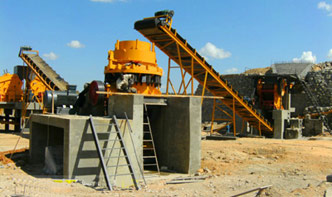
4. Power & Control Integration
– Diesel engines or electric motors are fitted for power generation.
– Control panels with automation features (e.g., remote monitoring) are wired for operational precision.
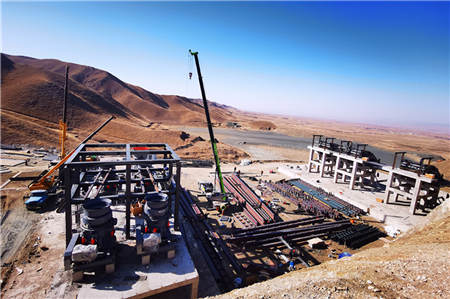
5. Safety & Testing
– Guards, emergency stops, and dust suppression systems are added per safety standards.
– Post-assembly tests (e.g., load trials, vibration checks) ensure reliability before deployment.
A: Depending on complexity, assembly ranges from 1–3 weeks with skilled technicians.
A: Yes—crusher type, screen decks, and power sources can be tailored to project demands.
A: Regular lubrication, wear-part inspections, and software updates are recommended.
A quarry in Australia upgraded to a track-mounted mobile crusher with a cone configuration. Post-assembly, productivity increased by 30% due to faster relocation between sites and automated crushing adjustments reducing downtime. The project highlighted the importance of precise component alignment during assembly to minimize wear over time.
The assembly of mobile crushers demands meticulous planning and technical expertise but delivers unmatched operational advantages in the aggregate sector—portability, scalability, and sustainability—making it indispensable for modern material processing needs.”

