The Evolution and Importance of Antique Grinding Wheels in Modern Aggregate Processing
The aggregate and sand production industry has undergone significant transformations over the centuries, with antique grinding wheels serving as foundational tools in early material processing. Today, while advanced machinery dominates large-scale operations, the principles behind these traditional whetstones remain relevant—particularly in specialized applications requiring precision and durability.
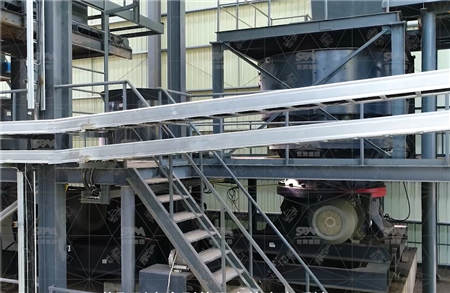
Historically, grinding wheels were crafted from natural stones like sandstone or novaculite, used for sharpening tools and crushing minerals. In the context of aggregate processing, these early devices laid the groundwork for modern crushers and mills. The demand for high-quality sand and gravel has surged due to urbanization and infrastructure development, driving innovations that blend historical efficiency with contemporary technology.
Antique grinding wheels are characterized by their robust construction and slow-speed operation, which reduces heat generation—a critical factor in preserving material integrity. Key features include:
While modern vertical shaft impactors (VSIs) and cone crushers outperform antique wheels in throughput, the latter retain niche value for heritage projects or localized production where mechanization is impractical.
1. Can antique grinding wheels be integrated into modern plants?
Yes, as auxiliary units for specific tasks (e.g., shaping decorative aggregates). However, their low capacity limits large-scale use.
2. How do maintenance requirements compare to contemporary equipment?
Antique wheels need regular dressing (resharpening) but lack complex mechanical parts, reducing long-term downtime.
3. Are they environmentally friendly?
Their manual operation eliminates emissions, though productivity trade-offs exist.
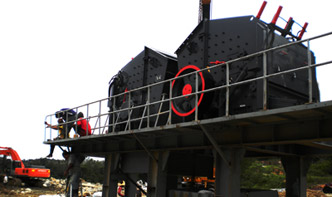
A heritage stone quarry in Vermont (USA) revived antique grinding wheels to produce custom-cut limestone for historic building restorations. By combining traditional methods with modular conveyors, they achieved authenticity while meeting modest output targets—showcasing the synergy of old and new technologies.
Antique grinding wheels symbolize the enduring legacy of early aggregate processing. While not replacements for high-efficiency machinery, their precision and simplicity offer lessons for sustainable design—particularly in contexts where quality trumps speed. As the industry evolves, revisiting such timeless tools may inspire hybrid solutions bridging past ingenuity with future demands.

