Concrete Recycling in Kansas City: Sustainable Solutions for the Aggregate Industry
The construction industry in Kansas City is increasingly adopting sustainable practices, with concrete recycling emerging as a key component. As urban development expands, the demand for aggregates—crushed stone, sand, and gravel—continues to rise. Recycling concrete not only reduces landfill waste but also conserves natural resources, making it an eco-friendly alternative for producing high-quality recycled aggregates.
The Role of Crushing and Screening Equipment
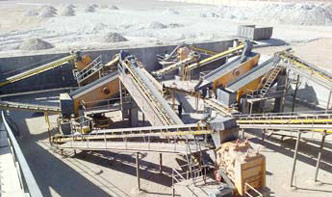
Modern crushing and screening equipment plays a pivotal role in concrete recycling. Jaw crushers, impact crushers, and cone crushers break down demolished concrete into smaller fragments, while screening machines separate the material into various sizes suitable for reuse. Advanced systems incorporate magnetic separators to remove rebar and other contaminants, ensuring clean, durable aggregates for new construction projects.
Recycled concrete aggregates (RCA) are widely used in road bases, drainage systems, and even as a partial replacement for materials in new concrete mixes. Their performance meets industry standards when processed correctly, offering cost savings and reducing carbon footprints.
Common FAQs About Concrete Recycling
1. Is recycled concrete as strong as aggregate?
Yes, when properly processed, RCA meets ASTM and DOT specifications for strength and durability.
2. What equipment is needed for concrete recycling?
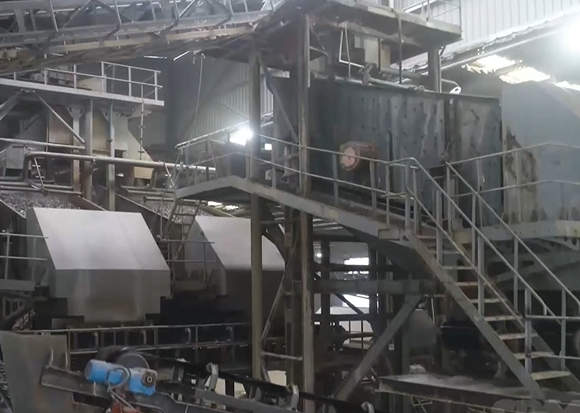
A typical setup includes primary crushers (e.g., jaw crushers), secondary crushers (e.g., impact crushers), screens, and conveyors.
3. Are there incentives for recycling concrete in Kansas City?
Many local municipalities offer tax breaks or grants for sustainable construction practices, including recycling initiatives.
Engineering Case Study: Kansas City Infrastructure Project
A recent highway expansion project in Kansas City utilized recycled concrete aggregates for sub-base layers. By partnering with a local recycling facility, the project saved over 30% on material costs and diverted 50,000 tons of demolition waste from landfills. The success highlights the economic and environmental benefits of integrating recycled materials into large-scale infrastructure projects.
As technology advances and regulations tighten, concrete recycling will continue to shape Kansas City’s construction landscape—delivering both sustainability and efficiency to the aggregate industry.

