The Rise of American Artificial Sand Making Machines in the Aggregates Industry
The global construction boom has intensified demand for high-quality sand and aggregates, driving innovation in crushing and sand-making equipment. In the U.S., artificial sand making machines have emerged as a sustainable alternative to natural sand, addressing environmental concerns and supply shortages.
Industry Background
Natural sand extraction faces strict regulations due to ecological impacts, such as riverbed degradation and habitat destruction. Meanwhile, infrastructure projects require consistent, high-performance aggregates. Artificial sand—produced by crushing rocks, gravel, or industrial byproducts—offers a solution. American manufacturers have pioneered advanced vertical shaft impact (VSI) crushers and cone crushers tailored for engineered sand production, ensuring optimal particle shape and gradation.
Core Technologies
Modern U.S.-made sand makers emphasize:
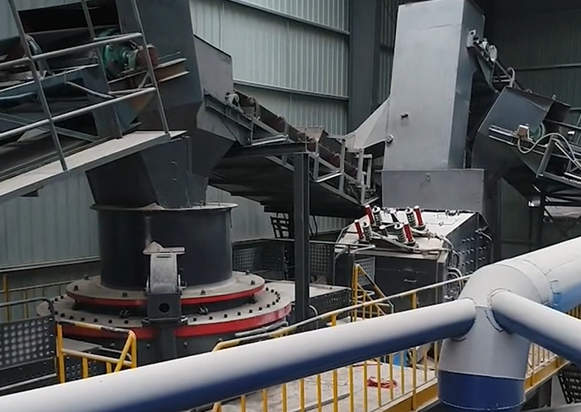
1. High Efficiency: VSI crushers utilize rock-on-rock or rock-on-steel crushing mechanisms to produce cubical particles ideal for concrete and asphalt.
2. Automation: Integrated sensors and AI-driven adjustments optimize output while reducing energy consumption.
3. Sustainability: Closed-loop systems recycle water and minimize dust emissions, aligning with EPA standards.
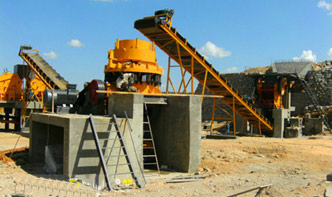
Leading brands like , , and dominate the market with modular designs suited for both stationary plants and mobile units.
FAQs
Q: How does artificial sand compare to natural sand?
A: Engineered sand often outperforms natural sand in strength and consistency due to controlled manufacturing processes.
Q: What raw materials are used?
A: Basalt, granite, limestone, or recycled concrete are common feedstocks.
Q: What’s the typical ROI for a sand-making plant?
A: Most operations break even within 2–3 years, depending on local demand and energy costs.
Case Study: Urban Infrastructure Project
A Texas-based contractor replaced river sand with artificial sand produced by a VSI crusher for a highway expansion. The result: 15% higher compressive strength in concrete mixes and 20% cost savings from reduced logistics.
As technology advances, American-made artificial sand equipment continues to set benchmarks in efficiency and sustainability—reshaping the future of construction materials worldwide.

