The Critical Role of Gearbox Speed in Coal Crushing Machines
The coal and aggregate industry relies heavily on robust crushing equipment to process raw materials efficiently. Among the key components of coal crushing machines, the gearbox stands out as a critical determinant of performance, durability, and operational efficiency. Proper gearbox speed selection ensures optimal crushing capacity while minimizing wear and energy consumption.
Coal crushing is a fundamental step in mining, power generation, and cement production. Crushers reduce large coal chunks into smaller, uniform sizes for further processing or combustion. The gearbox transmits power from the motor to the crusher’s rotating components (e.g., rotors or rollers), directly influencing crushing efficiency. A mismatched gearbox speed can lead to:
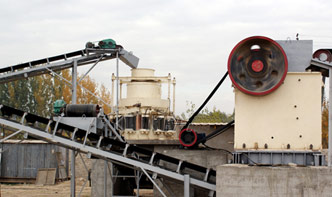
1. Crushing Mechanism: Different crushers (jaw, impact, hammer) require specific speed ranges:
– Hammer Crushers: High-speed rotation (1,000–1,500 RPM) for fine pulverization.
– Roll Crushers: Low-speed torque (<200 RPM) for shearing larger coal lumps.
2. Material Hardness: Softer coals tolerate higher speeds; harder anthracite demands slower speeds to avoid excessive vibration.
3. Gear Ratio Design: Custom gear ratios balance torque and RPM to match motor output with crusher requirements.
4. Thermal Management: High-speed operations generate heat; gearboxes must integrate cooling systems or lubrication enhancements.
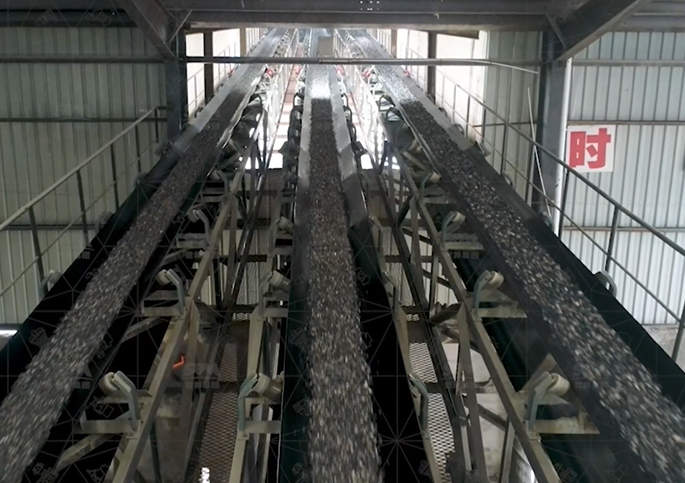
Q1: How does gearbox speed affect coal crusher throughput?
A: Higher speeds increase throughput but risk overloading motors or producing excess fines; optimal speed aligns with material feed rate and hardness.
Q2: What maintenance practices extend gearbox life?
A: Regular oil analysis, vibration monitoring, and alignment checks prevent overheating and misalignment-induced failures.
A Mongolian coal mine faced frequent hammer crusher breakdowns due to improper gearbox sizing (originally 1,200 RPM). After analyzing feed size variability, engineers installed a variable-frequency drive (VFD) to adjust speed between 800–1,000 RPM based on real-time load sensors—resulting in a 30% reduction in downtime and 15% lower energy use per ton crushed.
Selecting the right gearbox speed is not just about matching specifications—it requires a holistic understanding of material properties, crusher type, and operational goals. Advances in smart controls (e.g., VFDs) now allow dynamic adjustments, further optimizing coal crushing efficiency while extending equipment lifespan.For industries relying on continuous operation,a well-engineered gearbox solution is indispensable for both productivity and cost control

