The Cascading Effect in Cement Mills: Optimizing Grinding Efficiency
The cement industry relies heavily on efficient grinding processes to produce high-quality clinker and cement. Within the grinding circuit, the cascading effect plays a critical role in determining the performance of ball mills, a key equipment segment also relevant to the broader crushing and aggregate sector.
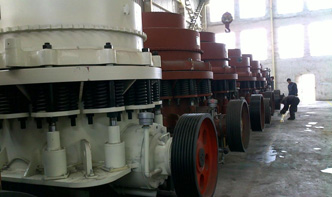
Cement mills and aggregate grinding systems share similarities in their reliance on rotational mechanics to reduce particle size. In ball mills, grinding occurs via impact and attrition as grinding media (balls) cascade or cataract within the rotating drum. The cascading effect refers to the trajectory of grinding media—when the mill’s rotational speed is optimal, balls are lifted to a certain height before rolling down in a cascading motion, crushing material beneath.
1. Optimal Speed: The mill’s critical speed (typically 65–75% of theoretical) ensures cascading rather than centrifuging. Excessive speed leads to inefficient “cataracting” (balls thrown against walls), while low speed reduces grinding action.
2. Liner Design: Waved or stepped liners enhance lift and cascade dynamics, directly affecting output fineness—a principle applicable to aggregate ball/rod mills.
3. Media Gradation: Balanced ball sizes ensure finer grinding without overloading coarse particles—similar to crusher settings in sand/gravel production.
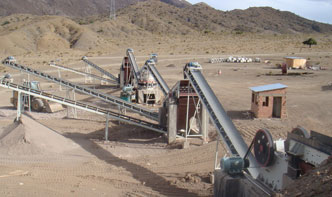
A: Proper cascading minimizes wasteful kinetic energy, reducing kWh/ton—a metric crucial for both cement and aggregate operations.
A: Partially; VRMs rely on compression vs. impact, but optimizing roll pressure draws parallels.
A Saudi Arabian cement plant upgraded its mill liners and adjusted rotational speed from 70% to 68% of critical speed, achieving a 12% increase in throughput while maintaining PSD (Particle Size Distribution) specs—showcasing how fine-tuning cascading improves ROI in grinding circuits.
Lessons from cement milling cascade optimization translate to aggregate grinding, where controlled particle shape/size dictates concrete strength or asphalt adhesion. Whether producing cement or crushed stone, mastering rotational dynamics ensures efficiency gains across mineral processing stages.
By prioritizing cascading mechanics, operators unlock finer control over product quality and operational costs—a universal goal in comminution technology.

