The Essential Guide to Crushing and Sand-Making Equipment in the Aggregates Industry
The global demand for high-quality sand and aggregates continues to rise, driven by urbanization, infrastructure development, and construction projects. Central to meeting this demand are crushing and sand-making plants, which transform raw materials like gold ore, granite, limestone, and river pebbles into usable sand and gravel.
Aggregates form the backbone of modern construction, accounting for over 80% of concrete and asphalt mixtures. With stricter environmental regulations and the need for sustainable practices, modern processing plants prioritize efficiency, automation, and reduced carbon footprints.
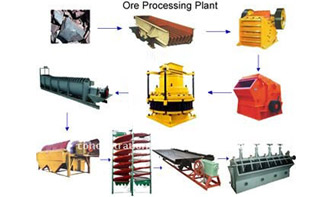
1. Primary Crushers (Jaw Crushers) – Handle large raw ore or rock fragments (>1m), reducing them to manageable sizes (150–300mm). Ideal for hard materials like gold-bearing quartz or basalt.
2. Secondary Crushers (Cone/Impact Crushers) – Further crush material to 20–60mm for finer processing. Cone crushers excel in hardness; impact crushers produce better grain shape.
3. Sand-Making Machines (VSI Crushers) – Use high-speed rotor systems to shape particles into cubic sand (0–5mm), critical for high-grade concrete.
4. Screening & Washing Systems – Remove impurities (clay, dust) and classify sand/aggregates by size via vibrating screens and log washers.
Q: What’s the typical lifespan of crusher wear parts?
A: Manganese steel jaws/cones last 3–6 months under heavy use; regular maintenance extends longevity.
Q: Can one plant process both gold ore and construction aggregates?
A: Yes, but ore crushing often requires additional grinding mills (e.g., ball mills) for mineral extraction post-crushing.
A Western Australian mine deployed a three-stage plant: jaw crusher → cone crusher → VSI + screening. The setup achieved 200 TPH gold ore throughput while producing 0–5mm manufactured sand as a byproduct for local concrete batching plants—demonstrating dual-purpose resource utilization.
By integrating advanced automation (e.g., IoT-enabled monitoring), modern plants optimize energy use and minimize downtime—key factors in today’s competitive aggregates sector. Whether targeting precious metals or infrastructure materials, selecting the right crushing/sand-making configuration ensures profitability and sustainability alike.

