The Evolution of Vertical Mills in the Aggregates Industry: A Focus on Older Industrial Models
The aggregates and sand-making industry has long relied on robust milling equipment to process raw materials into high-quality construction-grade products. Among these machines, vertical mills have played a pivotal role due to their efficiency in grinding and crushing hard minerals like limestone, granite, and basalt. While modern vertical mills dominate today’s market, older industrial models remain relevant for certain applications, offering cost-effective solutions for small to mid-scale operations.
Vertical mills were initially designed for cement grinding but quickly adapted to the aggregates sector due to their ability to handle abrasive materials with lower energy consumption compared to horizontal ball mills. Older models, such as those manufactured in the 1980s–2000s, are still operational in many plants, particularly in developing regions where capital expenditure for new equipment is limited. These machines are valued for their durability and simpler mechanical structures, which facilitate maintenance and repairs.
1. Cost Efficiency: Second-hand or refurbished vertical mills can be acquired at a fraction of the cost of new units, making them ideal for budget-conscious projects.
2. Proven Reliability: Many older models were built with heavy-duty castings and fewer electronic components, reducing susceptibility to wear and downtime.
3. Adaptability: Retrofitting options (e.g., upgraded rollers or classifiers) can enhance performance without a full replacement.
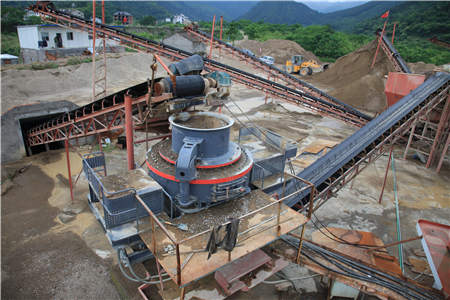
A: Yes, with proper maintenance and occasional upgrades (e.g., replacing worn rollers or optimizing airflow), they can achieve comparable output quality.
A: Older mills may lack advanced automation features, resulting in higher labor costs for monitoring and adjustments.
A: Reputable dealers specializing in industrial equipment or auctions from plant closures are common avenues—always inspect wear parts like grinding tables and gearboxes before purchase.
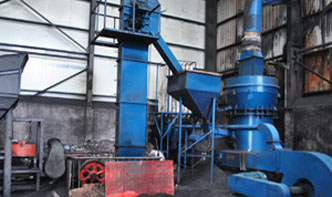
A quarry in Southeast Asia successfully integrated a refurbished 1990s-era vertical mill into its limestone processing line. By replacing the hydraulic system and installing a modern separator, the mill’s throughput increased by 15%, extending its service life by another decade at minimal cost.
While newer vertical mills offer cutting-edge technology, older industrial models remain viable for operators prioritizing affordability and simplicity. Strategic refurbishments can bridge performance gaps, ensuring these workhorses continue contributing to the aggregates industry’s growth sustainably.

