The Gold Mining Process: A Comprehensive Flow Chart and Key Equipment
The gold mining industry is a cornerstone of global mineral extraction, requiring advanced technology and efficient processes to maximize yield. Central to this operation is the crushing and grinding equipment, which prepares raw ore for further processing. Below is a detailed flow chart of the gold mining process, with a focus on the role of crushing and sand-making machinery.
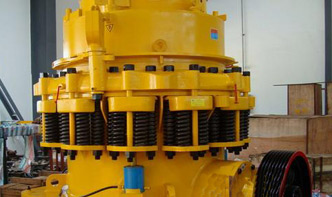
Gold mining involves extracting gold-bearing ore from the earth, followed by crushing, grinding, leaching, and refining. The crushing stage is critical because it determines the efficiency of downstream processes like cyanidation or flotation. Modern mining operations rely on high-performance crushers and sand-making machines to achieve optimal particle size reduction.
1. Exploration & Drilling – Identifying gold deposits through geological surveys.
2. Blasting & Excavation – Removing ore from open-pit or underground mines.
3. Primary Crushing – Large jaw crushers or gyratory crushers break down ore into smaller chunks (~150mm).
4. Secondary Crushing – Cone crushers further reduce size (~25mm).
5. Grinding (Tertiary Crushing) – Ball mills or vertical shaft impactors (VSIs) pulverize ore into fine particles (<0.074mm).
6. Leaching/CIP (Carbon-in-Pulp) – Gold dissolves in cyanide solution; activated carbon absorbs gold particles.
7. Electrowinning/Refining – Pure gold is extracted via electrolysis or smelting.
A: Finer particles increase surface area for chemical reactions, improving gold recovery rates (~95%).
A: Use high-manganese steel liners and regular maintenance schedules.
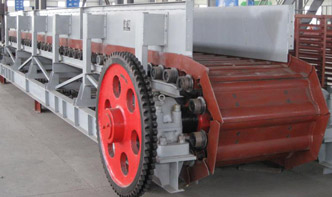
A gold mine in Western Australia upgraded its crushing circuit with a VSI sand maker, increasing leaching efficiency by 15% due to better particle shape uniformity.
By integrating advanced crushing technology, miners can optimize recovery rates while reducing operational costs—key factors in sustaining profitable gold production globally.

