How to Install a Crusher for Quarry Operations: A Comprehensive Guide
The quarrying industry plays a vital role in supplying raw materials for construction, infrastructure, and industrial projects. Central to this process is the crusher—a machine designed to reduce large rocks into smaller aggregates. Proper installation ensures optimal performance, longevity, and safety. Here’s a step-by-step guide to installing a crusher for quarry operations.
1. Site Preparation
Before installation, conduct a thorough site assessment:
- Terrain Analysis: Ensure the ground is stable and leveled. Soft or uneven surfaces may require compaction or reinforcement.
- Accessibility: Verify that the site allows easy transport of equipment and materials.
- Utilities: Confirm access to power sources (for electric crushers) or fuel supply (for diesel-powered units).
2. Foundation Construction
A robust foundation is critical:
- Concrete Base: Pour a reinforced concrete pad with dimensions matching the crusher’s specifications. Allow sufficient curing time (typically 7–28 days).
- Anchor Bolts: Embed anchor bolts precisely according to the manufacturer’s layout to avoid misalignment during mounting.
3. Crusher Assembly
Follow these key steps:
- Unloading: Use cranes or forklifts to position the crusher components safely.
- Alignment: Ensure the crusher frame is level and aligned with the foundation bolts before tightening.
- Electrical & Hydraulic Connections: For automated systems, connect wiring and hydraulic lines carefully, adhering to safety standards.
4. Auxiliary Equipment Setup
Integrate supporting machinery:
- Feeders & Conveyors: Position hoppers and belts to ensure seamless material flow into the crusher. Adjust angles to prevent blockages.
- Dust Suppression Systems: Install water sprays or enclosures to minimize airborne particles—critical for compliance with environmental regulations.
5. Testing & Commissioning
Before full operation:
- Run the crusher empty for 1–2 hours to check vibrations, bearing temperatures, and unusual noises. Gradually introduce material while monitoring performance metrics like throughput and product size distribution.
—
FAQs
Q1: What type of crusher is best for hard rock?
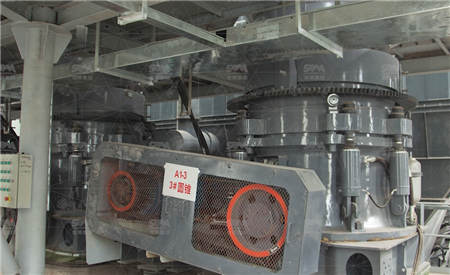
A: Jaw crushers are ideal for primary crushing of hard materials like granite, while cone crushers suit secondary crushing due to finer output control.
Q2: How often should maintenance be performed?
A: Daily inspections (lubrication, wear parts) are essential; major overhauls depend on usage but typically occur every 12–18 months.
—
Case Study: Limestone Quarry Expansion
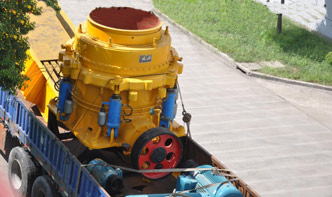
A Texas-based quarry upgraded its crushing circuit by installing a 300-tph cone crusher alongside existing jaw units. Proper alignment and dust control measures reduced downtime by 20% and improved product consistency—showcasing the impact of meticulous installation planning.
—
By adhering to these guidelines, quarries can maximize efficiency while ensuring worker safety and regulatory compliance throughout their crushing operations!

