The Stone Crushing and Aggregate Industry in Assam: Key Equipment and Applications
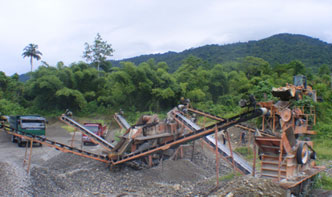
The stone crushing and aggregate industry plays a vital role in Assam’s infrastructure development, supplying materials for roads, bridges, and construction projects. Among the essential components in this sector are jaw crushers, particularly their jaw plates, which directly impact crushing efficiency and operational costs.
Assam’s growing urbanization and government-led infrastructure initiatives have increased demand for high-quality aggregates. Jaw crushers are widely used for primary crushing due to their reliability and ability to handle hard stones like granite, basalt, and river gravel. The jaw plate, a critical wear part, determines crushing performance and longevity.
Jaw plates are typically made from high manganese steel (Mn13Cr2/Mn18Cr2) or alloy steel to withstand abrasion and impact. Key factors influencing their lifespan include:
In Assam’s humid climate, corrosion-resistant materials are preferred to extend service life. Proper alignment and timely replacement reduce downtime in quarry operations.
1. How often should jaw plates be replaced?
Depending on usage, plates last 3–6 months; monitoring wear patterns ensures timely changes.
2. What causes premature jaw plate failure?
Improper feed size (too large), unprocessed contaminants (metal debris), or poor material quality.
3. Can worn jaw plates be repaired?
Hardfacing welding can temporarily restore surfaces, but replacement is often more cost-effective long-term.
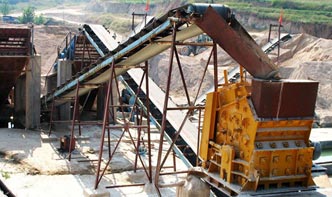
A granite quarry in Guwahati upgraded its jaw crusher with Mn18Cr2 jaw plates, increasing production by 20% while reducing replacement frequency from 4 to 6 months—showcasing how material selection optimizes efficiency in local conditions.
For Assam’s aggregate producers, investing in high-quality jaw plates ensures sustainable operations amid rising demand. Partnering with trusted suppliers for wear parts minimizes downtime and maximizes ROI—a crucial step in supporting the region’s infrastructure growth.

