Optimizing the Nip Angle in Gyratory Crushers for Enhanced Crushing Efficiency
The mining and aggregate industry relies heavily on crushers to reduce large rocks into smaller, manageable sizes. Among these, gyratory crushers are pivotal for primary crushing due to their high capacity and ability to handle hard materials. A critical parameter influencing their performance is the nip angle—the angle between the fixed concave and the moving mantle at the point of closest approach.
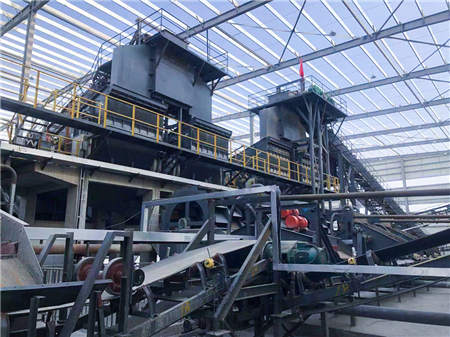
The nip angle determines how effectively a gyratory crusher grips and crushes material. Too large an angle reduces grip, causing slippage and inefficient crushing, while too small an angle limits throughput and risks choking. The optimal nip angle typically ranges between 22° to 28°, balancing feed size, material hardness, and desired output.
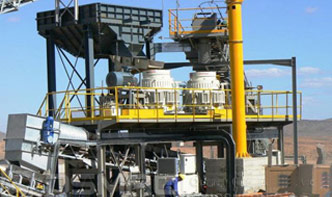
1. Feed Material Properties: Harder or abrasive materials may require a steeper nip angle to prevent excessive wear.
2. Crusher Design: Mantle profile, eccentric throw, and chamber geometry directly affect the nip angle’s effectiveness.
3. Operational Parameters: CSS (Closed Side Setting) adjustments can fine-tune the nip angle dynamically.
Q: What happens if the nip angle is too wide?
A: Material may slide instead of being crushed, reducing efficiency and increasing liner wear.
Q: Can the nip angle be adjusted post-installation?
A: Indirectly, yes—by altering CSS or replacing liners with different profiles.
A European quarry faced low throughput due to an improperly set nip angle (~30°). After recalibrating CSS and installing curved-profile liners (achieving ~25°), production increased by 15%, with reduced energy consumption per ton.
Optimizing the nip angle in gyratory crushers is a blend of mechanical design and operational strategy. By aligning this parameter with material characteristics and process goals, operators can maximize output while minimizing wear—a key consideration in today’s cost-sensitive aggregate industry.

