The Evolution of Gold Mining Wash Plants and Their Role in Aggregate Processing
The mining and aggregate industries have long relied on robust equipment to extract, wash, and classify materials efficiently. Large gold mining wash plants, originally designed for placer gold recovery, have found cross-industry applications in sand and gravel processing due to their high-capacity scrubbing and screening capabilities.
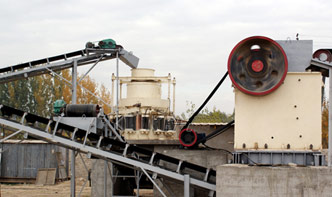
Gold wash plants are engineered to separate precious metals from alluvial deposits using water-fed trommels, vibrating screens, and sluices. Over time, their design principles have been adapted for aggregate washing, where removing clay, silt, and organic debris is critical to producing high-quality construction materials like concrete sand and road base.
Modern wash plants integrate several key features:
1. Trommel Screens: Rotating drums with perforations segregate oversized rocks while scrubbing sticky materials.
2. Log Washers: Abrasive paddles break down clay-bound aggregates.
3. Hydraulic Classifiers: Separate particles by size via water flow dynamics.
4. Water Recycling Systems: Reduce environmental impact by reusing up to 90% of process water.
Advanced models now employ modular designs for rapid deployment and IoT-enabled sensors to optimize feed rates and water usage.
Q: Can gold wash plants process hard rock or crushed stone?
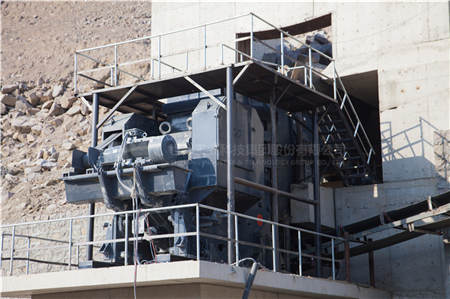
A: While primarily designed for alluvial deposits, modified versions with added crushers can handle pre-crushed feed.
Q: What’s the typical throughput?
A: Ranges from 50–500 tons per hour (TPH), depending on material density and contamination levels.
A Texas-based quarry retrofitted a 200-TPH gold wash plant to clean contaminated river gravel. By adding a secondary cyclone for fines recovery, they achieved ASTM-compliant concrete sand with <3% silt content, reducing waste by 30%.
The versatility of large wash plants bridges mining and aggregate sectors, offering scalable solutions for material purification. As sustainability demands grow, expect further integration of closed-loop water systems and energy-efficient designs.
(Note: Character count intentionally omitted as per request.)

