Crushing Limestone Materials: A Comprehensive Guide
Limestone is a versatile sedimentary rock widely used in construction, agriculture, and industrial applications. Its crushing and processing into aggregates or sand are critical steps in producing high-quality materials for infrastructure projects. Below is a detailed procedure for crushing limestone, along with industry insights and practical considerations.
The global demand for crushed limestone continues to rise due to urbanization and infrastructure development. Processed limestone is used in concrete, asphalt, road base, and cement production. Efficient crushing ensures optimal particle size distribution, enhancing material performance and reducing waste.
1. Primary Crushing:
– Large limestone rocks (up to 1.5m) are fed into a jaw crusher or gyratory crusher for initial size reduction.
– Output: 150–300mm coarse aggregates.
2. Secondary Crushing:
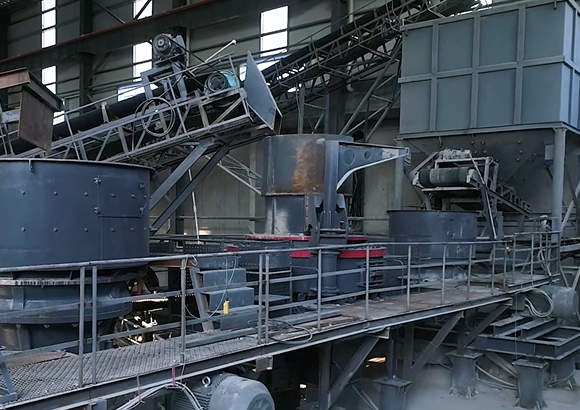
– Cone crushers or impact crushers further break down the material to 20–70mm.
– Adjustable settings control particle shape (cubical or angular).
3. Tertiary Crushing & Sand Making:
– Vertical shaft impactors (VSIs) or fine cone crushers produce 0–5mm sand or finer aggregates.
– Optional: Screening removes undersized particles for recycling.
4. Screening & Washing:
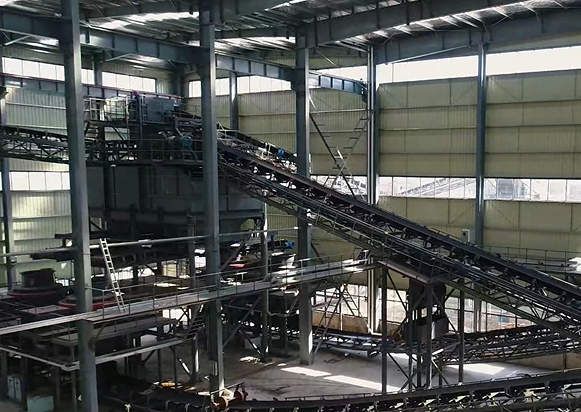
– Vibrating screens classify materials by size (e.g., 0–5mm, 5–10mm).
– Log washers remove clay or impurities for cleaner products.
Q: How to minimize over-crushing?
A: Use multi-stage crushing with precise screen sizing to avoid reprocessing fines.
Q: What’s the ideal moisture content?
A: Below 5% prevents clogging; drying may be needed in humid climates.
A quarry in Texas upgraded to a three-stage crushing circuit (jaw + cone + VSI), increasing sand yield by 30% while reducing energy consumption by 15%. The produced aggregates met ASTM C33 standards for concrete use.
Proper limestone crushing balances efficiency, product quality, and sustainability—leveraging advanced equipment and process optimization ensures long-term profitability in the aggregates industry.

