Hammer Mills: A Robust Solution for Crushing High-Moisture Materials in Aggregate Processing
The aggregate and sand production industry demands versatile crushing equipment capable of handling diverse raw materials, including those with high moisture content. Hammer mills have emerged as a reliable solution, offering efficient size reduction even for challenging wet or sticky feedstocks.
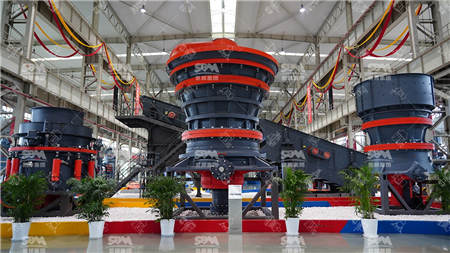
Aggregate processing requires equipment that can manage varying material properties, from hard rocks to moist clay or organic matter. Traditional crushers often struggle with high-moisture materials due to clogging and reduced throughput. Hammer mills address these limitations with their impact-based crushing mechanism, making them ideal for applications like recycled concrete, lignite, or mineral ores with elevated water content.
1. Impact-Driven Crushing: The high-speed rotating hammers pulverize materials through kinetic energy, minimizing clogging risks associated with moisture.
2. Adjustable Particle Size: Screen or grate configurations allow customization of output size, critical for meeting sand or aggregate specifications.
3. Durability: Hardened hammers and abrasion-resistant liners extend service life in abrasive conditions.
4. Versatility: Suitable for both primary and secondary crushing stages in quarrying, mining, and recycling operations.
Yes, but optimal performance depends on proper screen selection and airflow design to prevent material buildup.
Excessive moisture may reduce throughput but can be mitigated by adjusting rotor speed or incorporating drying systems upstream.
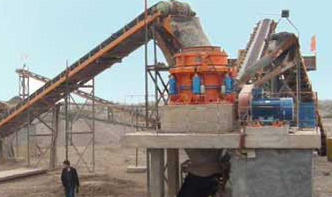
A limestone quarry in Southeast Asia faced challenges with wet feed material (up to 12% moisture) causing frequent jamming in jaw crushers. After switching to a heavy-duty hammer mill with replaceable wear plates and open-bottom discharge, production increased by 30%, while downtime dropped significantly due to reduced blockages.
Hammer mills provide a practical solution for processing high-moisture materials in aggregate production, combining flexibility with low operational costs. Their adaptability makes them indispensable in modern mineral processing and recycling plants seeking efficiency in variable feedstock conditions.

