Crushing and Grinding Equipment in the Aggregate Industry: Focus on Ball Mills
The aggregate industry plays a critical role in construction, infrastructure, and mining sectors, providing essential materials like sand, gravel, and crushed stone. Among the key equipment used in this industry, ball mills stand out for their efficiency in grinding and pulverizing raw materials into fine particles.
Core Functionality of Ball Mills
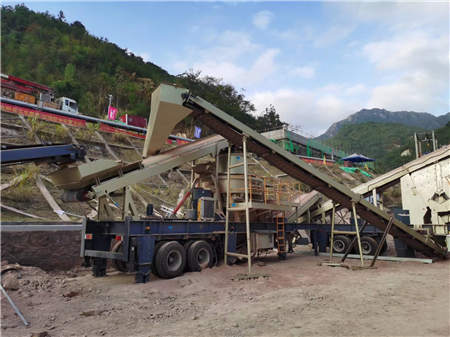
Ball mills, such as the Allis Chalmers models capable of processing up to 120 tons, are cylindrical devices used to grind materials like ores, ceramics, and cement. They operate by rotating a chamber filled with grinding media (steel or ceramic balls), which cascades and crushes the material through impact and attrition. Key features include:
Applications in Aggregate Production
Ball mills are integral to producing finely ground sand and crushed stone for concrete, asphalt, and road base materials. They ensure consistent particle size distribution, enhancing the quality of final products.
FAQs
1. What maintenance does a ball mill require?
Regular lubrication, inspection of liners/media, and alignment checks are essential.
2. How to optimize ball mill efficiency?
Adjust grinding media size, feed rate, and rotational speed based on material hardness.
3. Can ball mills handle abrasive materials?
Yes, but wear-resistant liners and high-chrome grinding media are recommended.
Case Study: Quarry Operation Upgrade
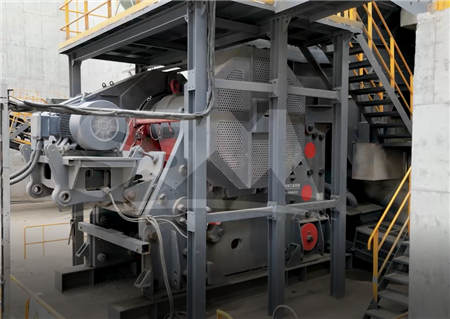
A limestone quarry replaced outdated equipment with an Allis Chalmers 120-ton ball mill, achieving a 30% increase in throughput while reducing energy consumption by 15%. The upgrade also improved product uniformity for high-grade construction applications.
In conclusion, ball mills remain indispensable in the aggregate industry for their reliability and adaptability. Selecting the right model—like high-capacity units from Allis Chalmers—can significantly enhance operational efficiency and product quality.

