Small-Scale Tantalum Processing Machinery and Its Role in the Sand & Aggregate Industry
The sand and aggregate industry is a cornerstone of modern construction, providing essential materials for infrastructure, concrete production, and road building. Within this sector, specialized machinery like small-scale tantalum processing equipment plays a niche but critical role, particularly in handling rare and high-value minerals such as tantalum—a key component in electronics and aerospace.
Tantalum, often found in coltan ore, requires precise extraction and processing due to its corrosion resistance and high melting point. Small-scale processing machinery is designed for operations with limited space or budget, offering flexibility for remote mining sites or secondary recovery from scrap materials. These compact systems integrate crushing, screening, and gravity separation to isolate tantalum concentrates efficiently.
1. Jaw Crushers & Hammer Mills: For primary crushing of raw ore into manageable fragments.
2. Vibrating Screens: Separate particles by size before further processing.
3. Spiral Concentrators & Shaking Tables: Use gravity to isolate dense tantalum particles from lighter waste material.
4. Magnetic Separators: Remove iron impurities common in coltan deposits.
Small-scale units prioritize energy efficiency and portability, often featuring modular designs for easy relocation.
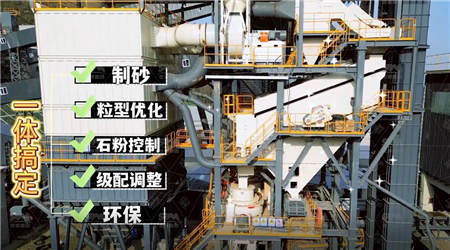
While tailored for tantalum, these systems adapt to other hard-rock minerals (e.g., tin or tungsten) and even sand/gravel processing—making them versatile for diversified mining operations. For example:
Q: What’s the typical output capacity of small-scale tantalum processors?
A: Ranges from 1–10 tons per hour, depending on ore grade and machine configuration.
Q: Can this machinery process alluvial deposits?
A: Yes, but may require additional washing scrubbers to remove clay contaminants.
Q: How do maintenance demands compare to large-scale plants?
A: Simplified designs reduce upkeep, but regular wear-part inspections (e.g., crusher jaws) remain critical.
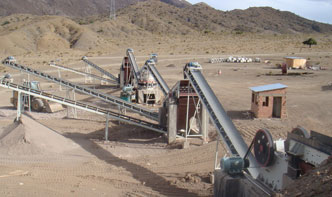
A project in Rwanda utilized a modular small-scale plant to process coltan tailings left by historic mining operations. The setup included a jaw crusher, ball mill, and shaking tables, achieving 85% tantalum recovery rates while minimizing water usage—a key advantage in arid regions. The recovered concentrate was then exported for refining into capacitor-grade powder.
Small-scale tantalum processing machinery bridges the gap between artisanal mining and industrial production, offering cost-effective solutions for niche markets while aligning with broader sand/aggregate industry trends toward sustainability and resource efficiency. As demand for critical minerals grows, these compact systems will play an increasingly vital role in global supply chains.

