The Growing Demand for Sand and Aggregate: Challenges and Solutions in the Crushing Equipment Industry
The global construction boom has driven unprecedented demand for sand and aggregate, essential materials for infrastructure, concrete, and road construction. However, natural sand reserves are depleting rapidly due to over-extraction and environmental concerns. Governments worldwide are imposing stricter regulations on riverbed mining, pushing the industry toward manufactured sand (M-Sand) as a sustainable alternative.
This shift has accelerated the adoption of crushing and sand-making equipment designed to process hard rocks, recycled concrete, and industrial byproducts into high-quality aggregates. The market now favors efficient, eco-friendly solutions that reduce waste and energy consumption while meeting stringent quality standards.
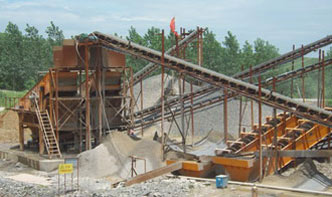
Modern crushing systems prioritize versatility, automation, and sustainability:
Manufacturers are also integrating dust suppression systems and noise reduction technologies to comply with environmental regulations.
1. Why choose M-Sand over natural sand?
M-Sand offers consistent gradation, higher strength (due to angular particles), and eliminates impurities like silt. It also reduces ecological damage from river mining.
2. What factors affect crusher selection?
Key considerations include material hardness (e.g., limestone vs. quartz), required output size (coarse aggregate vs. fine sand), production capacity, and mobility needs (fixed vs. portable plants).
3. How to mitigate wear in crushing equipment?
Use high-quality wear-resistant alloys for liners/hammers, adopt proper maintenance schedules, and avoid feeding overly abrasive materials without pre-screening.
A highway project in Southeast Asia faced shortages of natural sand due to mining bans. The contractor deployed a multi-stage crushing plant combining jaw crushers for primary reduction and VSI crushers for shaping fine aggregates from local basalt rock. The setup achieved:
As resource depletion intensifies, the crushing equipment industry must innovate relentlessly—balancing productivity with environmental stewardship. Investments in automation, recycling technologies (e.g., construction waste reprocessing), and renewable energy-powered plants will define the next era of aggregate production. Stakeholders who adapt early will lead the transition toward a circular economy in construction materials.
(Note: Character count intentionally omitted per request.)

