Enhancing Safety in Mining: The Critical Role of PPE in Crushing and Sand-Making Operations
The mining and aggregates industry, particularly crushing and sand-making operations, involves high-risk activities such as handling heavy machinery, exposure to airborne dust, and noise pollution. Personal Protective Equipment (PPE) is indispensable for safeguarding workers against these hazards. This article explores key PPE safety topics tailored to the砂石骨料 (sand and gravel aggregate) sector, emphasizing best practices and real-world applications.
Crushing and sand-making plants process raw materials like granite, limestone, and river pebbles into construction-grade aggregates. These operations generate silica dust, flying debris, and extreme noise—posing respiratory, physical, and hearing risks. Regulatory bodies (e.g., OSHA, MSHA) mandate strict PPE compliance to mitigate occupational hazards.
1. Respiratory Protection:
– Hazard: Silica dust from破碎设备 (crushing equipment) can cause silicosis.
– Solution: N95 masks or powered air-purifying respirators (PAPRs) for prolonged exposure.
2. Eye/Face Protection:
– Hazard: Projectile particles during筛分 (screening) or制砂 (sand-making).
– Solution: ANSI-certified goggles or full-face shields.
3. Hearing Protection:
– Hazard: Noise levels exceeding 85 dB from破碎机 (crushers) and振动筛 (vibrating screens).
– Solution: Earplugs or noise-canceling earmuffs.
4. Hand/Foot Protection:
– Hazard: Crush injuries or abrasions during设备维护 (equipment maintenance).
– Solution: Cut-resistant gloves and steel-toe boots with puncture-proof soles.
5. High-Visibility Clothing:
– Hazard: Low-light conditions in露天矿场 (open-pit mines).
– Solution: Reflective vests compliant with EN ISO 20471.
Q1: How often should PPE be replaced?
A1: Follow manufacturer guidelines—e.g., respirator filters after 40 hours of use; inspect gloves daily for wear.
Q2: Can regular clothing replace high-visibility gear?
A2: No; standard fabrics lack retroreflective properties critical for visibility near移动设备 (mobile machinery).
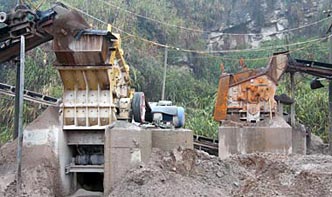
A gravel plant in Texas reduced silica-related incidents by 60% after implementing enforced PPE protocols + onsite air monitoring stations. Key measures included mandatory PAPRs for jaw crusher operators和定期培训 (regular training).
PPE is the last line of defense in mining safety but only works when paired with proper training/maintenance. Investing in quality gear tailored to crushing/sand-making risks ensures compliance while protecting your most valuable asset—workers’ lives.

