Crushing and Sand-Making Equipment in the Aggregates Industry
The aggregates industry plays a pivotal role in global infrastructure development, supplying essential materials like sand, gravel, and crushed stone for construction, roads, and concrete production. Central to this sector are crushing and sand-making machines, which transform raw rock into high-quality aggregates with precise gradation.
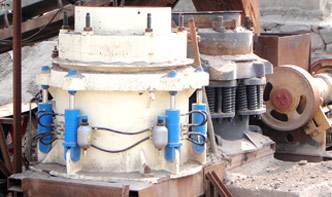
Rapid urbanization and large-scale infrastructure projects have driven demand for efficient crushing solutions. Natural sand depletion has also accelerated the adoption of manufactured sand (M-Sand) produced by vertical shaft impactors (VSIs) and other sand-making equipment. Key challenges include optimizing particle shape, reducing fines, and minimizing energy consumption.
1. Jaw Crushers: Primary crushers for coarse reduction of hard rock.
2. Cone Crushers: Secondary/tertiary crushers producing cubical aggregates.
3. Impact Crushers: Versatile machines for softer materials or recycling applications.
4. Vertical Shaft Impactors (VSIs): Critical for M-Sand production with superior grain shape control.
5. Mobile Crushers: Increasingly popular for on-site flexibility in mining or demolition projects.
Q: What’s the advantage of M-Sand over natural sand?
A: M-Sand offers consistent gradation, lower impurities, and reduced environmental impact from riverbed mining.
Q: How to mitigate dust in crushing plants?
A: Use water sprays, enclosures, or baghouse filters alongside proper ventilation systems.
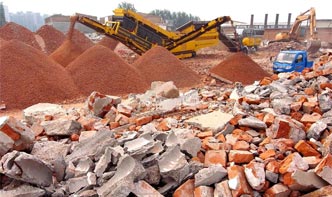
A limestone quarry in Texas upgraded to a 500-tph VSI system paired with a multi-deck screen, achieving 95% passing 5mm spec for concrete sand while cutting energy use by 20%. The solution included automated wear monitoring to extend liner life by 30%.
As sustainability regulations tighten, innovations like hybrid power systems and AI-driven optimization are reshaping the industry—ensuring crushing plants meet both economic and environmental goals efficiently.

