The Evolution of Crushing and Sand-Making Equipment in the Aggregate Industry
The global construction boom has fueled unprecedented demand for high-quality sand and aggregates, driving innovation in crushing and sand-making equipment. As urbanization accelerates, the need for efficient, sustainable solutions has become paramount.
Aggregates—crushed stone, sand, and gravel—form the backbone of infrastructure projects. With stricter environmental regulations and rising material costs, modern crushing plants must balance productivity with eco-friendliness. Traditional jaw crushers and cone crushers remain staples, but vertical shaft impactors (VSIs) and mobile crushing units have revolutionized particle shaping and on-site processing.
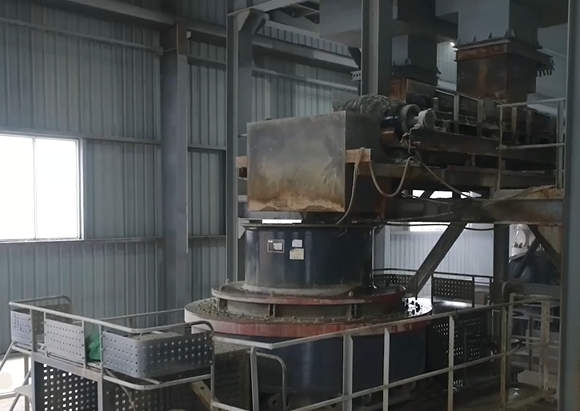
1. Jaw Crushers: Ideal for primary crushing, offering high reduction ratios.
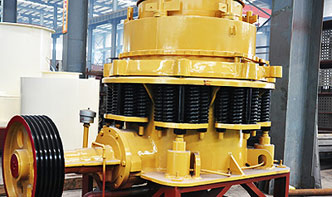
2. Cone Crushers: Provide finer output for secondary/tertiary stages.
3. VSI Crushers: Key for manufactured sand (M-Sand), ensuring cubical particle shapes critical for concrete strength.
4. Mobile Plants: Enable flexibility in remote or temporary sites, reducing transport costs.
Leading manufacturers integrate automation (e.g., IoT sensors) to optimize throughput and minimize downtime.
Q: How to choose between fixed and mobile crushers?
A: Fixed plants suit large-scale, long-term projects; mobile units excel in short-term or multi-location operations.
Q: What’s the lifespan of wear parts like mantles or liners?
A: Depends on material abrasiveness—typically 500–1,000 hours for granite; longer for limestone. Regular maintenance extends longevity.
A Texas-based operator replaced aging equipment with a VSI-centric setup, boosting sand yield by 30% while reducing energy use by 15%. Automated screening minimized waste, aligning with zero-discharge goals.
Expect AI-driven predictive maintenance and hybrid power systems (solar/diesel) to dominate next-gen designs, ensuring compliance with circular economy principles.
The aggregate industry’s future hinges on smarter, greener machines—balancing profitability with planetary stewardship.

