Ball Mill for Quartz Crushing in India: A Comprehensive Guide
India’s construction and manufacturing sectors are witnessing rapid growth, driving demand for high-quality quartz sand and crushed aggregates. Quartz, a hard and abrasive mineral, requires efficient grinding equipment to produce fine powders for applications in ceramics, glass, paint, and foundry industries. Ball mills have emerged as a preferred choice due to their versatility, reliability, and cost-effectiveness in processing quartz and other minerals.
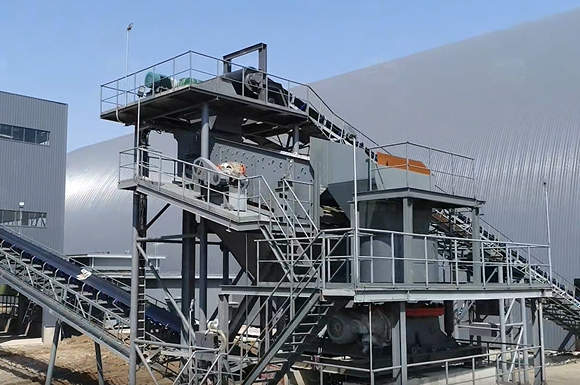
1. Robust Construction: Designed with durable materials like high-chrome steel or manganese liners to withstand abrasion from quartz particles.
2. Precision Grinding: Adjustable rotation speed and grinding media (steel balls) ensure optimal particle size distribution (typically 200-400 mesh).
3. Energy Efficiency: Modern designs incorporate gearless drives or variable frequency drives (VFDs) to reduce power consumption.
4. Closed-Circuit Systems: Often paired with classifiers to enhance productivity and minimize over-grinding.
1. What is the ideal ball size for quartz grinding?
– Typically, 20–50 mm steel balls are used, depending on feed size and desired fineness.
2. How to minimize contamination during grinding?
– Use alumina or rubber linings instead of steel for ultra-pure quartz applications (e.g., semiconductor industry).
3. What maintenance practices extend ball mill life?
– Regular lubrication, liner inspections, and monitoring of bearing temperatures are critical.
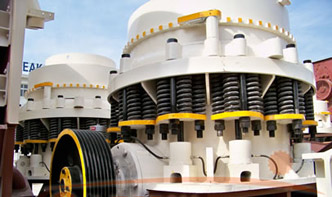
A silica sand plant in Rajasthan adopted a Φ2.4×7m ball mill coupled with a dynamic air classifier to produce 99.5% pure quartz powder (<325 mesh). Key outcomes:
Ball mills remain indispensable in India’s quartz processing sector, balancing performance and operational costs. Innovations in liner materials and automation continue to elevate their efficiency for diverse industrial needs.

