Tungsten Carbide Ball Mills in South Korea: A Key Player in the Crushing and Grinding Industry
The crushing and grinding industry is a cornerstone of modern construction, mining, and infrastructure development. Among the critical equipment used in this sector, ball mills stand out for their efficiency in reducing raw materials into fine powders or uniform aggregates. In South Korea, tungsten carbide ball mills have gained prominence due to their exceptional durability, wear resistance, and performance in processing abrasive materials.
South Korea’s advanced manufacturing sector has positioned it as a leader in high-quality grinding solutions. The demand for tungsten carbide ball mills stems from their ability to handle hard materials like granite, basalt, and ores while minimizing wear. These mills are widely used in cement production, mineral processing, and recycling industries, where efficiency and longevity are paramount.
1. Superior Wear Resistance: Tungsten carbide’s hardness (up to 90 HRA) ensures prolonged service life even under high-stress conditions.
2. High Grinding Efficiency: The density and structural integrity of tungsten carbide enhance impact resistance, leading to finer particle size distribution.
3. Corrosion Resistance: Ideal for wet grinding applications where chemical reactions may degrade conventional steel balls.
4. Cost-Effectiveness: Despite higher initial costs, reduced downtime and replacement frequency lower total ownership costs over time.
Q1: What industries benefit most from tungsten carbide ball mills?
A: Mining (ore processing), cement manufacturing, ceramics production, and recycling sectors rely on these mills for consistent particle size reduction.
Q2: How does South Korea’s technology enhance these mills?
A: South Korean manufacturers integrate precision engineering with advanced metallurgy to optimize milling performance while ensuring compliance with international standards (e.g., ISO 9001).
Q3: What maintenance practices extend the lifespan of tungsten carbide balls?
A: Regular inspection for cracks, avoiding overloading the mill, and using compatible liners help maintain efficiency.
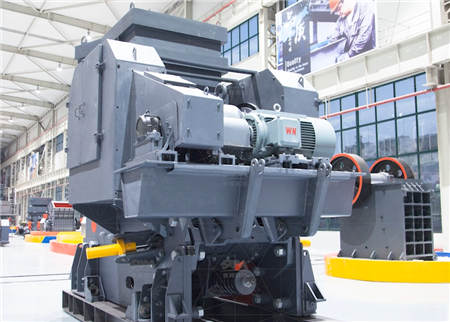
A South Korean cement plant replaced traditional steel balls with tungsten carbide variants in its ball mill circuit. The result was a 40% reduction in wear-related downtime and a 15% increase in grinding throughput—demonstrating the tangible benefits of this technology in heavy-duty applications.
Tungsten carbide ball mills from South Korea represent a fusion of innovation and reliability in the crushing industry. Their adoption continues to grow globally as industries prioritize sustainable, high-performance grinding solutions for demanding environments.

