The Crushing and Sand-Making Equipment Industry: A Comprehensive Overview
The global demand for high-quality sand and aggregates continues to rise, driven by infrastructure development, urbanization, and construction projects. As natural sand resources deplete, manufactured sand (M-Sand) produced by crushing and sand-making equipment has become a sustainable alternative. This industry plays a pivotal role in supplying raw materials for concrete, asphalt, and other construction applications.
Core Equipment and Technology
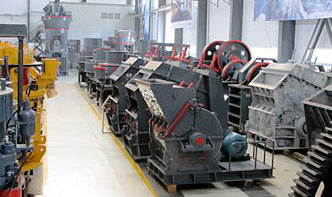
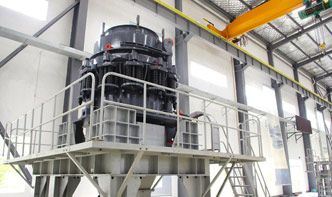
Modern crushing and sand-making systems typically include jaw crushers, cone crushers, impact crushers, and vertical shaft impactors (VSI). These machines transform raw materials like granite, basalt, or iron ore into precisely graded aggregates. Key technological advancements include:
Product Highlights
1. Vertical Shaft Impact Crushers (VSI): Produce cubical-shaped aggregates ideal for high-strength concrete.
2. Mobile Crushing Plants: Offer flexibility for on-site processing in remote locations.
3. Dust Suppression Systems: Address environmental concerns in urban projects.
FAQ Section
Q: What’s the typical input size for sand-making equipment?
A: Most VSIs process feed material ≤50mm, though pre-crushing may be required for larger rocks.
Q: How does M-Sand compare to natural sand?
A: Engineered sands often provide better consistency in gradation and lower impurity levels, improving concrete performance.
Q: What maintenance is critical for crushers?
A: Regular wear-part inspection (e.g., rotors, liners) and lubrication system checks are essential to maintain throughput.
Engineering Case Study
A highway project in Southeast Asia utilized a 300t/h mobile VSI plant to process basalt into 0-5mm M-Sand. The setup achieved:
The industry continues evolving with hybrid power solutions and AI-driven predictive maintenance reshaping operational paradigms. Stakeholders prioritizing energy-efficient designs and circular economy principles will lead the next phase of growth.
Note: The chemical equation for iron ore mining typically involves hematite reduction: Fe₂O₃ + 3CO → 2Fe + 3CO₂ (blast furnace process). However, crushing equipment focuses on physical size reduction rather than chemical transformations.

