The Evolution of Grinding Mills in the Aggregate Industry
The aggregate industry plays a pivotal role in construction, infrastructure, and mining sectors, supplying essential materials like sand, gravel, and crushed stone. Among the critical equipment driving this industry are grinding mills, particularly automatic grinding mills such as the HP-MS series, which combine high efficiency with advanced automation for optimal performance.
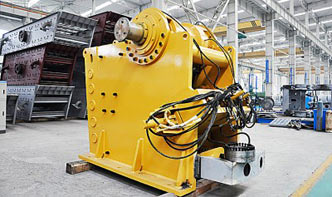
Demand for high-quality aggregates has surged due to urbanization and large-scale projects. Traditional grinding methods often struggle with inconsistent particle size, energy inefficiency, and high maintenance costs. Modern automated mills address these challenges by integrating intelligent control systems, robust wear-resistant materials, and adaptive grinding mechanisms.
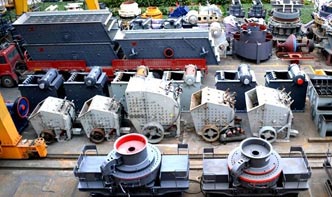
1. Automation & Precision: Equipped with PLC-based controls, these mills adjust operational parameters (e.g., speed, feed rate) in real time to maintain consistent output quality.
2. Energy Efficiency: Advanced motor designs and optimized grinding chambers reduce power consumption by up to 30% compared to conventional mills.
3. Durability: High-chrome alloy liners and reinforced structural components extend service life in abrasive environments.
4. Versatility: Capable of processing hard rock, recycled concrete, and industrial byproducts into finely graded aggregates.
A: Automation minimizes human error, ensures stable throughput, and reduces downtime via predictive maintenance alerts.
A: Regular inspection of liners/lubrication systems; automated diagnostics simplify upkeep.
A: Yes, certain models support dry/wet processes for diverse material requirements.
A quarry in Texas upgraded to an HP-MS mill for limestone processing, achieving:
Automatic grinding mills like the HP-MS series represent a leap forward in aggregate processing—balancing productivity, sustainability, and cost-effectiveness. As technology evolves, their integration with IoT and AI-driven analytics will further revolutionize the industry’s efficiency standards.

