Ball Mill Components and Their Role in Aggregate Production
The aggregates and sand-making industry relies heavily on efficient grinding equipment like ball mills to produce high-quality materials for construction, road building, and concrete production. Understanding the key components of a ball mill is essential for optimizing performance and minimizing downtime.
1. Cylinder: The rotating drum houses grinding media (steel balls) and raw material. Its length-to-diameter ratio impacts grinding efficiency.
2. Liners: Protective plates inside the cylinder reduce wear from abrasion and impact. Common materials include manganese steel or rubber.
3. Grinding Media: Steel or ceramic balls crush and grind the material. Size distribution affects fineness control.
4. Feed & Discharge Systems: A trunnion or grate ensures controlled material entry/exit, preventing overgrinding or blockages.
5. Drive System: Motors, gears, and pinions provide rotational force (typically 70–80% of critical speed).
6. Bearings & Lubrication: Support the cylinder’s weight; proper lubrication prevents overheating failures.
Ball mills refine crushed stone into fine aggregates (<5mm) for concrete sand or asphalt mixes. They’re also used in:
Q: How to choose ball size?
A: Larger balls suit coarse grinding; smaller balls enhance fineness (e.g., 20–30mm for aggregates).
Q: What causes liner wear?
A: Abrasive feed materials or improper alignment accelerate wear—inspect monthly.
Q: How to reduce energy consumption?
A: Optimize ball charge (~30% filling), use pre-screened feed, and maintain consistent moisture levels (~5%).
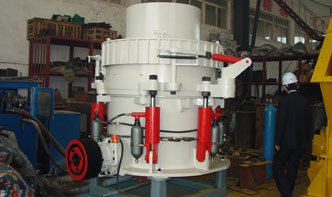
A Texas quarry replaced outdated liners with high-chrome alloy versions, extending service life by 40%. Coupled with automated lubrication, downtime dropped by 25%, boosting annual output by 15K tons.
Ball mills remain indispensable in aggregate processing due to their versatility and reliability—provided critical components are maintained strategically based on operational demands and material characteristics.”

