The Evolving Landscape of Iron Ore Processing and Aggregate Production
The global demand for iron ore and construction aggregates continues to rise, driven by infrastructure development and urbanization. Iron ore processing plants and aggregate production facilities play a pivotal role in meeting this demand. Central to these operations are crushing and grinding equipment, which transform raw materials into usable products like iron ore pellets, sand, and gravel.
Core Equipment in Iron Ore and Aggregate Processing
1. Jaw Crushers: Ideal for primary crushing of iron ore and hard rock, these machines offer high throughput and durability.
2. Cone Crushers: Used for secondary or tertiary crushing, they ensure precise particle size reduction for both iron ore beneficiation and aggregate shaping.
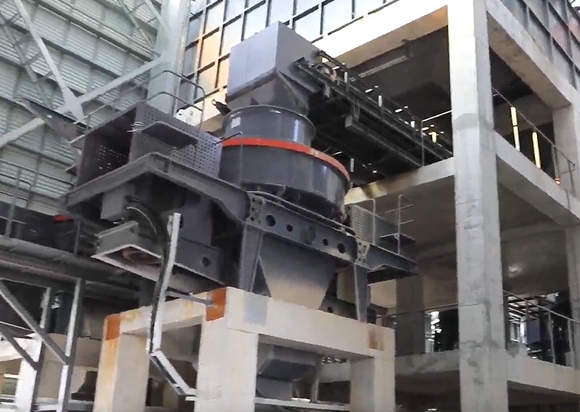
3. Vertical Shaft Impactors (VSI): Critical for producing high-quality manufactured sand (M-sand) with optimal gradation for concrete production.
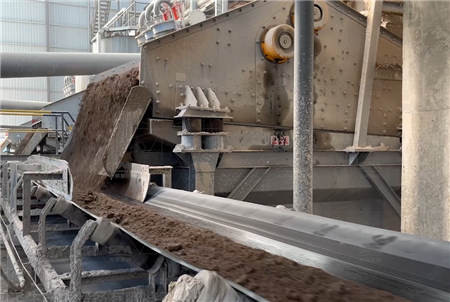
4. Screens and Classifiers: Essential for separating fine and coarse materials to meet industry specifications.
Cost Considerations
The cost curve for iron ore processing plants depends on factors such as:
For aggregate producers, operational efficiency hinges on selecting the right equipment configuration to minimize downtime and maximize output per ton processed.
FAQs in Iron Ore & Aggregate Production
Q: How does ore hardness impact crusher selection?
A: Harder ores require robust crushers like gyratory or jaw crushers, while softer materials may suit impact crushers better.
Q: What are the alternatives to natural sand in construction?
A: Manufactured sand (M-sand) from crushed rock offers consistent quality and reduces reliance on river sand, addressing environmental concerns.
Q: How can operators reduce energy costs in crushing circuits?
A: Optimizing feed size distribution, using high-efficiency motors, and adopting automated control systems can lower energy consumption significantly.
Engineering Case Study
A recent project in Australia involved upgrading an aging iron ore crushing plant with a modern cone crusher and VSI system, achieving a 20% increase in throughput while reducing energy use by 15%. Similarly, a quarry in Texas switched to a multi-stage crushing setup with screening optimization, cutting waste generation by 30%.
As technology advances—such as AI-driven predictive maintenance—operators gain new tools to refine cost structures while maintaining product quality standards essential for steelmaking or construction applications worldwide.

