The Growing Demand for Aggregate Quarry Equipment: A Comprehensive Overview
The global construction industry continues to expand, driving the need for high-quality aggregates used in concrete, asphalt, and infrastructure projects. Aggregate quarry equipment plays a pivotal role in extracting, crushing, screening, and processing raw materials like limestone, granite, and basalt into usable sand and gravel. With urbanization and sustainable development gaining momentum, efficient quarry machinery has become indispensable for meeting production targets while minimizing environmental impact.
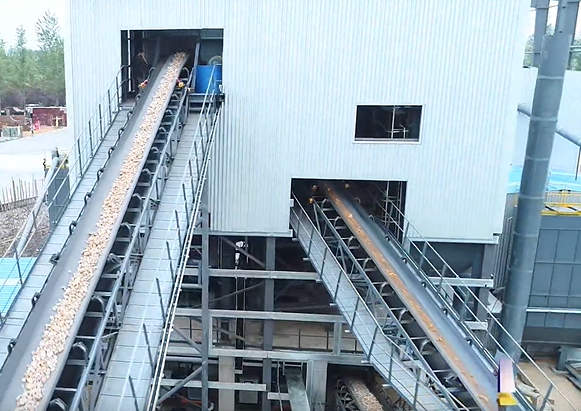
Modern quarries rely on advanced machinery to optimize productivity:
1. Primary Crushers: Jaw crushers and gyratory crushers handle large rocks, reducing them to manageable sizes.
2. Secondary & Tertiary Crushers: Cone crushers and impact crushers further refine material for specific applications (e.g., road base or concrete mixes).
3. Screening Plants: Vibrating screens separate aggregates by size, ensuring uniformity.
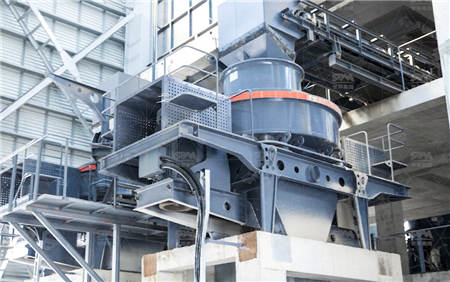
4. Sand Making Machines: Vertical shaft impactors (VSIs) produce finely graded sand for high-spec construction.
5. Conveyors & Feeders: Automated systems streamline material handling, reducing downtime.
Q: What’s the typical lifespan of quarry equipment?
A: With proper maintenance, crushers and screens last 10–15 years; wear parts (liners, blow bars) require regular replacement.
Q: How to mitigate dust and noise pollution?
A: Use water spray systems, enclosures, and noise-dampening technologies compliant with local regulations.
Q: Can recycled materials be processed?
A: Yes—impact crushers often handle demolition concrete or asphalt for reuse in new projects.
A Texas-based quarry upgraded to a 500-tph mobile crushing plant, slashing haulage costs by 30% and achieving consistent ¾” aggregate output for highway construction. The setup included a jaw crusher, cone crusher, and triple-deck screen powered by hybrid engines.
Investing in reliable aggregate quarry equipment ensures long-term profitability amid rising material demands. Buyers should prioritize scalability, sustainability features, and manufacturer support to maximize ROI in this competitive sector.

