Feldspar Crushing Machine Price and the Aggregate Industry: A Comprehensive Overview
The global construction and infrastructure sectors continue to drive demand for high-quality sand and aggregates, with feldspar being a key raw material due to its hardness and versatility. As a critical component in ceramics, glass, and construction materials, efficient feldspar crushing is essential for optimizing production lines. This article explores the factors influencing feldspar crushing machine prices, industry trends, and practical considerations for buyers.
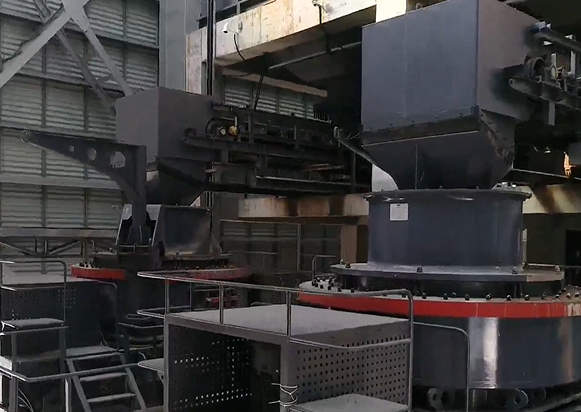
Feldspar accounts for nearly 60% of the Earth’s crust, making it one of the most abundant minerals mined for industrial use. The growing emphasis on sustainable construction has increased the need for advanced crushing equipment that balances productivity, energy efficiency, and environmental compliance. Jaw crushers, cone crushers, and impact crushers are commonly used for feldspar processing, with prices varying based on capacity, technology, and customization.
1. Machine Type:
– Jaw Crushers: Ideal for primary crushing; cost-effective but limited in fine output ($15,000–$100,000).
– Cone Crushers: Suited for secondary/tertiary crushing; higher precision but pricier ($50,000–$250,000).
– Impact Crushers: Best for shaping aggregates; mid-range pricing ($30,000–$150,000).
2. Capacity & Automation: Higher throughput (e.g., 200–500 TPH) and smart controls (e.g., IoT integration) increase costs but improve ROI.
3. Material & Wear Resistance: Machines with chromium or manganese steel components command premium prices due to extended longevity in abrasive environments.
4. Regional Market Dynamics: Manufacturing hubs like China offer competitive pricing (20–30% lower than European/American brands), though import tariffs may offset savings.
Q1: What’s the average lifespan of a feldspar crusher?
A: With proper maintenance, 5–10 years depending on usage intensity and material abrasiveness.
Q2: Can one machine handle both crushing and screening?
A: Mobile crushers with integrated screens (e.g., Keestrack R6) are available but cost 15–25% more than standalone units.
Q3: How to reduce operational costs?
A: Opt for energy-efficient motors (e.g., IE3/IE4 class) and prioritize preventive maintenance to minimize downtime.
A Saudi Arabian construction firm upgraded its feldspar processing line with a ® HP300 cone crusher (~$180,000), achieving 25% higher output while reducing energy consumption by 18%. The project paid back within 14 months via improved aggregate quality and lower maintenance costs.
Investing in a feldspar crushing machine requires evaluating long-term operational needs over upfront costs. Buyers should partner with reputable suppliers offering after-sales support and performance guarantees to maximize value in this competitive market segment.

