The Hazards and Solutions of Coal Conveyor Systems in Aggregate Processing Plants
The coal conveyor system is a critical component in aggregate processing plants, particularly in facilities handling coal-fired power generation byproducts or coal-washing residues. However, these systems often operate in hazardous environments due to combustible dust, flammable gases, or mechanical risks. Ensuring safety and efficiency requires specialized design considerations.
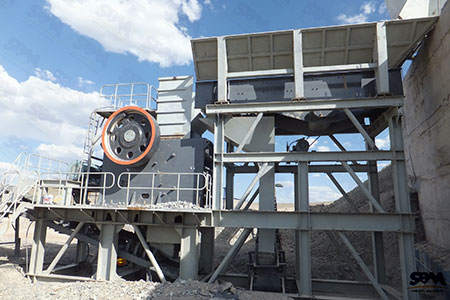
In sand and gravel or crushed-stone plants, coal conveyors may be used to transport fuel for onsite power or process coal-contaminated aggregates. The presence of fine coal particles creates explosion risks under certain concentrations, while mechanical failures (e.g., belt misalignment or blockages) can lead to fires or downtime. Regulatory standards like ATEX, MSHA, or OSHA mandate strict compliance for equipment in such zones.
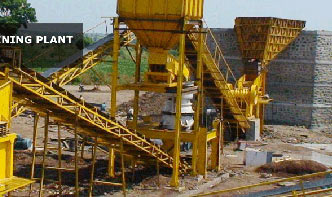
1. Explosion-Proof Design: Conveyors in hazardous areas require spark-resistant materials, anti-static belts, and explosion vents. Motors and electrical components must be rated for Class II, Division 2 (dust hazards).
2. Dust Control: Enclosed conveyors with integrated dust suppression systems minimize airborne particulates. Regular cleaning and monitoring are essential.
3. Fire Prevention: Infrared sensors and automated shutdown systems detect overheating or sparks. Fire-resistant hydraulic fluids may be used in drive systems.
4. Structural Integrity: Reinforced frames and impact-resistant idlers prevent failures caused by abrasive coal or oversized material.
A: Zones are classified based on dust concentration and ignition likelihood. A risk assessment by certified engineers is mandatory.
A: Routine inspections of belts, bearings, and dust collectors, along with lubrication using non-flammable grease.
A Texas-based sand plant integrated a coal conveyor to handle wash-plant rejects. After a near-miss dust explosion, they retrofitted the system with:
Result: Zero incidents in 3 years, with 15% fewer unplanned stoppages.
Coal conveyors in aggregate plants demand proactive hazard management. Combining robust engineering, regulatory compliance, and smart monitoring ensures operational continuity while safeguarding personnel and assets.

