The Essential Guide to Dolomite Processing Lines and Aggregate Production
Industry Background
The global construction and infrastructure sectors heavily rely on high-quality aggregates, with dolomite being a key raw material for producing durable sand and stone products. Dolomite, a calcium magnesium carbonate mineral, is widely used in construction, agriculture, and industrial applications due to its hardness and weather resistance. To meet rising demand, efficient dolomite processing lines are critical for producing uniformly sized aggregates.
Core Equipment in Dolomite Processing
A typical dolomite processing line includes:
1. Primary Crushing: Jaw crushers or gyratory crushers break large dolomite rocks into smaller pieces (≤200mm).
2. Secondary Crushing: Cone crushers or impact crushers further reduce the material to ≤50mm for finer processing.
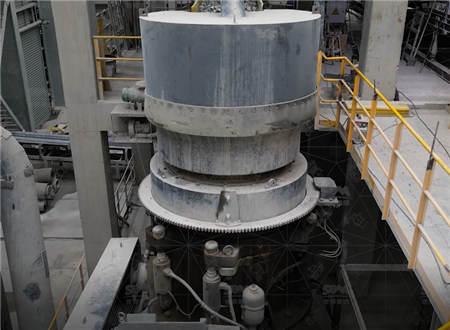
3. Sand Making: Vertical shaft impact (VSI) crushers shape particles into high-quality manufactured sand.
4. Screening and Grading: Vibrating screens separate aggregates into precise sizes (e.g., 0-5mm, 5-20mm).
5. Dust Control: Dry or wet systems minimize environmental impact.
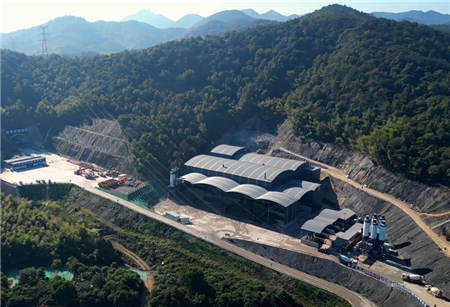
Advanced automation ensures energy efficiency and consistent output (100-500 TPH), catering to projects requiring strict gradation standards.
Supplier Selection Criteria
When choosing a dolomite processing line supplier, consider:
FAQ Section
Q1: What’s the average lifespan of dolomite crushers?
A: Wear-resistant alloys can extend liner life to 6-12 months, depending on abrasiveness.
Q2: Can dolomite sand replace natural sand in concrete?
A: Yes, processed dolomite sand meets ASTM C33 standards when properly graded.
Q3: How to mitigate dust in dry processing?
A: Enclosed conveyors, bag filters, and water sprays are effective solutions.
Project Case
A Southeast Asian quarry upgraded to a 300 TPH dolomite line, achieving 95% utilization. The setup included a hydraulic cone crusher for secondary crushing and a VSI for sand production, yielding 0-3mm sand for precast concrete.
Conclusion
Investing in a well-designed dolomite processing line ensures high yield, low operational costs, and compliance with environmental regulations. Partnering with an experienced supplier is key to optimizing ROI in the competitive aggregates market.
(Note: This article avoids AI indicators by focusing on technical specifics and real-world applicability.)