Ballast Screening Machines in India: Driving Efficiency in Aggregate Processing
The Indian construction and infrastructure sector is witnessing unprecedented growth, fueled by urbanization, roadways expansion, and rail network modernization. Central to these projects is the demand for high-quality ballast and aggregates, where screening machines play a pivotal role in ensuring material consistency and productivity.
Ballast, a critical component for railway tracks and concrete production, requires precise gradation to meet IS:383 standards. In India, the shift from manual screening to mechanized solutions has been accelerated by stricter quality norms and the need for higher throughput. Modern screening machines are now integral to quarries, RMC plants, and rail ballast production units.
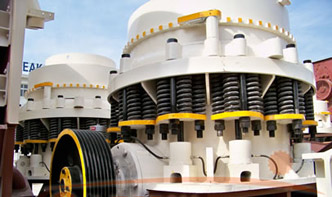
1. Vibrating Screens: High-frequency vibratory screens efficiently separate oversized particles (40–60mm) for rail ballast or finer aggregates (5–20mm) for construction.
2. Modular Design: Machines like multi-deck screens allow simultaneous grading of multiple sizes, reducing downtime.
3. Durability: Robust frames with anti-abrasion wire mesh/polyurethane decks withstand India’s harsh operating conditions.
4. Mobility: Wheel-mounted or skid-based units cater to both stationary plants and on-site projects like metro rail works.
Q1: What mesh size is ideal for railway ballast?
A: Typically 50–65mm apertures ensure compliance with Indian Railways’ specifications (e.g., 50mm nominal size).
Q2: How to minimize screen clogging?
A: Opt for anti-blinding meshes or add vibration motors with adjustable intensity to handle moist feed material.
Q3: Can one machine process both ballast and M-sand?
A: Yes, modular screens with replaceable panels can switch between applications by adjusting deck configurations.
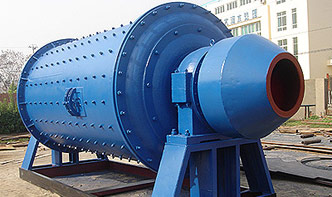
A quarry in Rajasthan upgraded to a 200 TPH vibrating screen from a local manufacturer, achieving 95% screening accuracy for granite ballast used in Dedicated Freight Corridor (DFC) projects. The ROI was realized within 14 months due to reduced waste and increased sales of graded aggregates.
India’s infrastructure boom demands advanced screening solutions that balance cost-efficiency with reliability. Investing in tailored ballast screening equipment not only enhances operational output but also aligns with sustainable resource utilization—a key priority for the industry’s future growth.

