Optimizing Crusher Selection Based on Compressive Strength for Iron Ore Processing
The mining and aggregates industry relies heavily on crushers to reduce raw materials like iron ore into manageable sizes for further processing. Selecting the right crusher is critical to maximizing efficiency, minimizing wear, and ensuring consistent output quality. One of the key factors influencing crusher selection is the compressive strength of the material—iron ore, in this case.
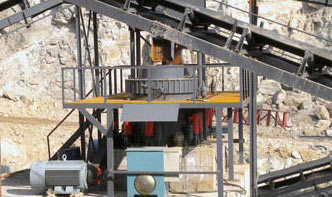
Iron ores vary significantly in hardness and abrasiveness, typically ranging from 100 MPa to over 300 MPa in compressive strength. High-compressive-strength ores (e.g., magnetite or hematite) demand robust crushing solutions capable of withstanding repeated impact and pressure without excessive wear.
1. Jaw Crushers – Ideal for primary crushing due to their high reduction ratio and ability to handle hard, abrasive materials. Best suited for ores with compressive strength below 250 MPa.
2. Gyratory Crushers – Used in large-scale mining operations where high throughput is required. They excel in processing tough iron ores but require significant capital investment.
3. Cone Crushers – Effective for secondary or tertiary crushing, especially when producing finely graded aggregates or preparing ore for beneficiation. Hydraulic cone crushers adjust dynamically to varying ore hardness.
4. Impact Crushers (HSI/VSI) – Suitable for softer iron ores (<150 MPa) where shaping and fines production are priorities. Less effective for highly abrasive materials unless equipped with specialized wear parts.
Q: Can a single crusher handle all stages of iron ore processing?
A: Rarely—most operations use a combination (e.g., jaw + cone) to balance efficiency and product gradation.
Q: How does compressive strength affect liner wear?
A: Higher compressive strength accelerates wear; manganese steel or ceramic liners are often used for longevity.
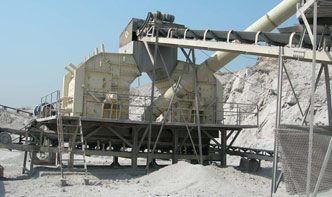
A Brazilian iron ore mine switched from a traditional jaw-cone setup to a hybrid HSI crusher after ore composition shifted toward softer hematite, reducing energy consumption by 15% while maintaining throughput.
Selecting the optimal crusher involves analyzing compressive strength alongside operational goals—prioritizing cost-efficiency without compromising reliability remains paramount in the aggregates sector.

