Dolomite Crushing Machines: Key Equipment for Aggregate Production
The global construction and infrastructure sectors continue to drive demand for high-quality aggregates, with dolomite emerging as a critical raw material due to its durability and versatility. Dolomite, a calcium magnesium carbonate mineral, is widely used in concrete, asphalt, and road base applications. To meet industry standards, efficient dolomite crushing machines are essential for producing uniformly sized particles while minimizing fines and optimizing yield.
1. Jaw Crushers: Ideal for primary crushing, jaw crushers handle large dolomite blocks with high compressive strength. Their robust design ensures low maintenance and long service life.
2. Impact Crushers: Suited for secondary or tertiary crushing, impact crushers deliver cubic-shaped aggregates by utilizing high-speed rotors to fracture dolomite along natural cleavage planes.
3. Cone Crushers: These machines excel in producing fine-to-medium aggregates with precise gradation control, making them ideal for high-capacity dolomite processing plants.
4. Vertical Shaft Impactors (VSI): For manufactured sand (M-sand) production, VSIs enhance particle shape and reduce flakiness—critical for premium concrete mixes.
Q: Can a single machine handle all dolomite crushing stages?
A: While multi-stage crushing (primary + secondary/tertiary) is typical, hybrid crushers like cone-impact combos are gaining traction for compact setups.
Q: How to mitigate dust in dolomite crushing?
A: Wet suppression systems or enclosed crushing chambers paired with bag filters effectively control dust emissions per EPA guidelines.
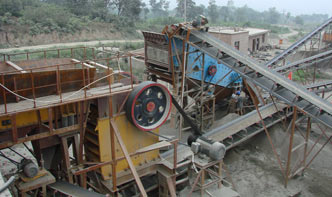
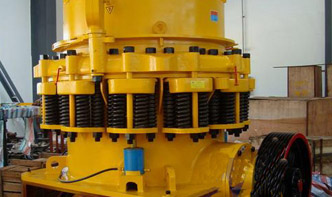
A Texas-based aggregate producer upgraded to a 300-tph mobile cone crusher plant, achieving 20% higher yield than traditional jaw-impact setups. The solution included automated wear monitoring and remote diagnostics, reducing downtime by 30%.
Investing in the right dolomite crushing machinery hinges on material characteristics, output requirements, and operational efficiency goals. Advances in automation and wear technology continue to redefine productivity benchmarks in the aggregates sector.

