Gypsum Board Production Line Manufacturers: Key Players in the Construction Industry
The gypsum board production line is a critical component in modern construction, enabling the mass production of drywall panels used in residential, commercial, and industrial projects. As demand for lightweight, fire-resistant, and cost-effective building materials grows, manufacturers of gypsum board production lines play a pivotal role in meeting global construction needs.
Gypsum boards, also known as drywall or plasterboard, are widely used for interior walls and ceilings due to their durability, ease of installation, and soundproofing properties. The production process involves mixing gypsum powder with water and additives, forming it into panels, drying, and finishing. Advanced production lines automate these steps to ensure high efficiency and consistent quality.
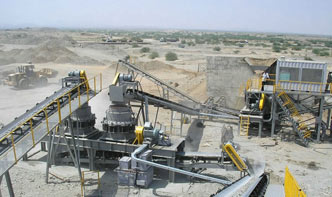
1. Raw Material Processing: Crushers and mills prepare gypsum rock into fine powder.
2. Mixing System: Combines gypsum powder, water, and additives (e.g., ing agents) to form slurry.
3. Forming Station: Spreads the slurry between two layers of paper/fiberglass to create boards.
4. Drying Kiln: Removes moisture to harden the boards.
5. Cutting & Finishing: Trims boards to size and applies edge treatments.
Leading manufacturers integrate smart controls and energy-efficient technologies to optimize output while reducing waste.
Q: What’s the production capacity of a standard gypsum board line?
A: Ranges from 2 million to 50 million square meters annually, depending on automation level.
Q: How long does it take to install a production line?
A: Typically 6–12 months, including commissioning and training.
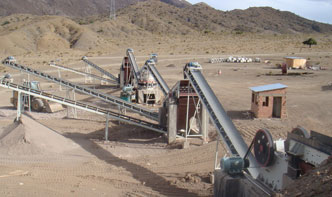
A Middle Eastern client partnered with a Chinese manufacturer to build a 30 million m²/year line featuring waste heat recovery, cutting energy costs by 20%. The project was completed in 10 months, demonstrating turnkey solutions’ efficiency.
Gypsum board production line manufacturers drive innovation in construction materials by delivering scalable, eco-friendly solutions. As urbanization accelerates globally, their role in sustainable building practices will only expand.

