Rock Crushers and the Aggregate Industry in Oregon
The aggregate industry plays a vital role in Oregon’s construction and infrastructure development. Crushed stone, sand, and gravel are essential materials for building roads, bridges, and commercial projects. Rock crushers are the backbone of this industry, transforming large rocks into usable aggregates.
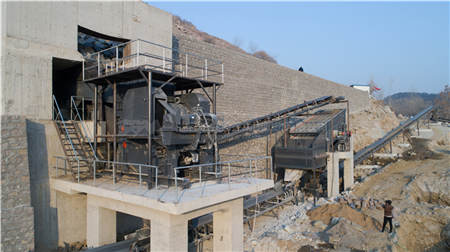
1. Jaw Crushers: Ideal for primary crushing, these machines handle large rocks with high efficiency.
2. Cone Crushers: Used for secondary crushing, producing finer aggregates for concrete and asphalt.
3. Impact Crushers: Suitable for recycling and producing cubical-shaped aggregates.
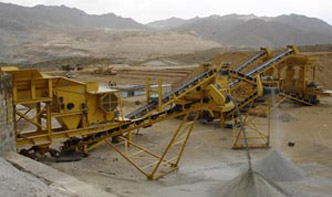
4. Mobile Crushers: Portable units offer flexibility for on-site crushing in remote locations.
Q: What size of rock can a crusher handle?
A: Depending on the model, jaw crushers can process rocks up to 48 inches, while cone crushers handle smaller feed sizes (typically under 12 inches).
Q: How much does a rock crusher cost?
A: Prices vary widely—small portable units start around $50,000, while large stationary plants can exceed $500,000.
Q: Are permits required for operating a crusher in Oregon?
A: Yes, DEQ (Department of Environmental Quality) permits may be needed for air quality compliance, especially for larger operations.
A local contractor purchased a mobile impact crusher to process basalt rock from a quarry near Bend. The machine processed 300 tons per hour, reducing hauling costs by 40% and supplying material for a highway expansion project.
Investing in a rock crusher in Oregon can significantly enhance productivity and profitability for aggregate producers. Whether choosing a stationary plant or a mobile unit, selecting the right equipment depends on production needs and project scope. For those seeking reliable performance, reputable suppliers offer both new and used crushers tailored to Oregon’s rugged terrain and growing construction demands.

