The Growing Demand for Crusher Machines in the U.S. Metal Recycling and Aggregate Industry
The U.S. construction and metal recycling industries are experiencing rapid growth, driving demand for efficient crusher machines designed to process metal scrap, concrete, and aggregates. These machines play a pivotal role in reducing waste, lowering transportation costs, and producing reusable materials for infrastructure projects.
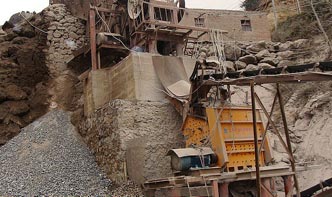
With increasing emphasis on sustainability, metal recycling has become a cornerstone of the circular economy. Crushers help break down end-of-life vehicles, appliances, and industrial scrap into manageable pieces for smelting or repurposing. Meanwhile, in the aggregate sector, crushers transform raw rock into graded sand and gravel for construction—critical materials for roads, bridges, and buildings.
1. Types of Crushers:
– Jaw Crushers: Ideal for primary crushing of hard metals and ores.
– Impact Crushers: Suited for softer materials like concrete or asphalt.
– Cone Crushers: Used in secondary/tertiary crushing for precise sizing.
– Shredders: Specialized for metal scrap with high-torque slow-speed operation.
2. Key Technologies:
– Hydraulic adjustment systems for quick settings changes.
– Wear-resistant liners to extend machine lifespan.
– Automated controls for optimizing output and energy efficiency.
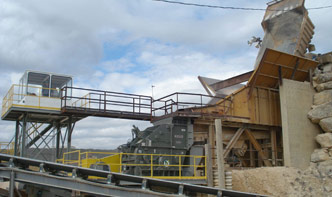
A: Most machines handle steel, aluminum, copper, and mixed alloys. Heavy-duty models can crush car bodies or structural beams.
A: Regular lubrication, inspection of wear parts (e.g., jaws/blow bars), and monitoring vibration levels are essential.
A: Ranges from 50–500 tons/hour depending on model and material hardness.
A Texas-based scrap yard upgraded to a portable metal crusher, increasing processing speed by 40% and reducing labor costs by automating sorting. In Arizona, a quarry deployed a multi-stage cone crusher system to produce ASTM-certified aggregates for highway construction, cutting downtime with predictive maintenance sensors.
As infrastructure investments rise and recycling mandates tighten, advanced crusher machines will remain indispensable in the U.S. market—offering durability, automation, and compliance with environmental regulations. Businesses should prioritize equipment tailored to their material type and operational scale to maximize ROI.

