Design and Application of Single Toggle Jaw Crushers in the Aggregate Industry
The aggregate industry plays a pivotal role in construction, infrastructure, and mining sectors, providing essential materials like crushed stone, sand, and gravel. Among the key equipment used in this industry, the single toggle jaw crusher stands out for its efficiency, simplicity, and reliability in primary crushing applications.
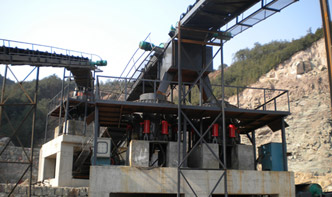
With urbanization and infrastructure development accelerating globally, the demand for high-quality aggregates has surged. Jaw crushers are widely employed to process hard and abrasive materials such as granite, basalt, and iron ore. The single toggle design, compared to double toggle crushers, offers a more compact structure with fewer moving parts, reducing maintenance costs while improving productivity.
1. Mechanism: A single toggle jaw crusher operates with an elliptical motion due to the eccentric shaft’s rotation, creating a compressive force that breaks down materials between the fixed and moving jaw plates.
2. Optimized Kinematics: The crushing chamber is designed for high reduction ratios (typically 6:1), ensuring efficient fragmentation of feed material.
3. Robust Construction: Heavy-duty frames and high-grade manganese steel jaw plates enhance durability under extreme operating conditions.
4. Adjustable Discharge Setting: Hydraulic or mechanical systems allow quick adjustment of the output size to meet varying product requirements.
1. What materials can a single toggle jaw crusher handle?
It excels in processing hard rocks but is also suitable for recycling concrete and demolition waste.
2. How does it compare to gyratory or cone crushers?
While gyratory crushers suit large-scale mining, single toggle jaw crushers are preferred for medium-duty primary crushing due to lower operational costs.
3. What maintenance is required?
Regular inspection of jaw plates, bearings, and lubrication systems ensures longevity.
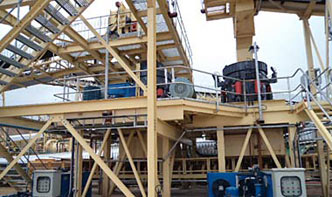
A quarry in Texas replaced its outdated double toggle crusher with a modern single toggle model, achieving a 20% increase in throughput while reducing downtime by 30%. The new system’s hydraulic adjustment feature allowed rapid adaptation to different aggregate specifications without manual intervention.
The single toggle jaw crusher remains a cornerstone of aggregate processing due to its balance of performance, cost-efficiency, and adaptability. As technology advances, innovations like automated control systems and wear-resistant materials will further solidify its role in the industry’s future.

