Breton Artificial Quartz Slab Production Line and the Aggregates Industry
The aggregates industry plays a pivotal role in global construction, providing essential materials like sand, gravel, and crushed stone for infrastructure projects. With the rising demand for high-quality engineered stone, Breton artificial quartz slab production lines have emerged as a game-changer, combining advanced technology with sustainable practices to produce premium surfaces for countertops, flooring, and wall cladding.
Natural stone extraction faces challenges such as environmental regulations, resource depletion, and inconsistent quality. Engineered quartz slabs offer a solution by blending natural quartz (90-95%) with resins and pigments under high pressure and vacuum vibro-compaction. Breton’s production lines automate this process, ensuring uniformity, durability, and aesthetic versatility—key advantages over traditional materials.
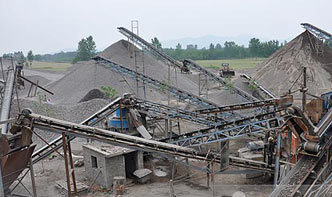
1. Raw Material Processing: Crushed quartz is meticulously cleaned and graded to remove impurities before mixing with resins.
2. Mixing & Compaction: A Breton-patented vibro-compression system compacts the mixture into slabs with near-zero porosity, enhancing strength and stain resistance.
3. Curing & Polishing: Slabs are cured in ovens and polished to achieve glossy or textured finishes.
This closed-loop system minimizes waste and energy consumption, aligning with circular economy principles.
Q: How does Breton’s technology compare to natural stone?
A: Breton slabs offer superior consistency, higher flexural strength (>50 MPa), and lower maintenance than natural stone.
Q: What’s the production capacity?
A: A standard line produces 100-150 slabs/day (3cm thickness), scalable for large-scale operations.
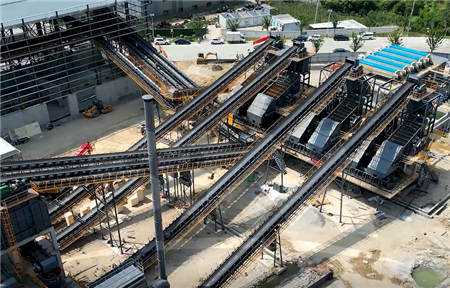
A Spanish manufacturer adopted a Breton line to replace imported granite. The result: a 30% cost reduction, 20% faster production cycles, and LEED certification due to reduced water usage and recycled material integration.
Breton’s innovation bridges the gap between sustainability and performance in the aggregates sector. As urbanisation drives demand for durable surfaces, automated quartz production lines will remain critical to meeting eco-conscious construction standards worldwide.

