Understanding the Difference Between Quarry Dust and Robo Sand in Aggregate Production
The construction and mining industries rely heavily on high-quality aggregates, with quarry dust and Robo sand being two commonly used materials. While both are byproducts of crushing operations, they differ significantly in composition, production methods, and applications.
Aggregates form the backbone of infrastructure projects, from concrete production to road base layers. Traditional natural sand scarcity and environmental concerns have driven the adoption of manufactured alternatives like quarry dust and Robo sand.
Quarry dust is a fine residue generated during rock crushing in quarries. It consists of irregularly shaped particles (0–5mm) with high silt content. Produced as a secondary output, it is often used as a filler or sub-base material but requires washing to reduce silt for higher-grade applications.
Robo sand (or manufactured sand) is produced by crushing granite/basalt rocks in vertical shaft impactors (VSI) or cone crushers. Unlike quarry dust, it undergoes controlled grading (0–4.75mm) and shaping to mimic natural sand’s properties. Advanced washing systems remove excess fines, making it ideal for concrete and plastering.
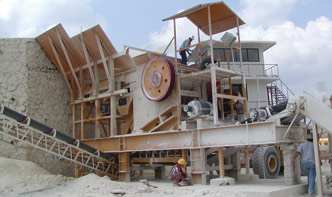
1. Particle Shape: Robo sand has cubical grains for better workability, while quarry dust is flaky and angular.
2. Fines Content: Quarry dust contains up to 20% silt; Robo sand limits fines to <15% per IS standards.
3. Strength: Robo sand enhances concrete durability due to optimized gradation; quarry dust may weaken mixes if unprocessed.
4. Cost: Quarry dust is cheaper but requires processing; Robo sand offers consistency at a premium.
Q: Can quarry dust replace river sand?
A: Only after washing to reduce silt; otherwise, it risks compromising concrete integrity.
Q: Is Robo sand eco-friendly?
A: Yes—it reduces riverbed mining and utilizes rock waste sustainably.
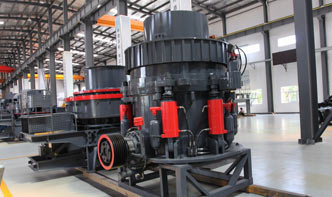
A 50km highway in Karnataka replaced 30% natural sand with Robo sand, achieving a 12% cost reduction while meeting IRC-44 strength standards—demonstrating its viability in large-scale infrastructure.
Choosing between quarry dust and Robo sand depends on project requirements: cost-sensitive applications may favor processed quarry dust, while high-performance concrete demands engineered solutions like Robo sand. Advances in crushing technology continue to refine both materials’ efficiency and sustainability in modern construction.

