Hammer Mills in the Aggregate and Sand Production Industry
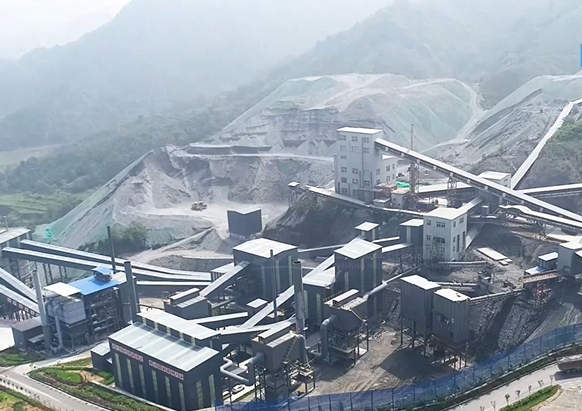
The aggregate and sand production industry is a cornerstone of construction and infrastructure development. Hammer mills play a critical role in this sector by efficiently reducing large rocks, gravel, and other raw materials into smaller, uniform particles suitable for further processing or direct use in concrete, asphalt, and road base applications.
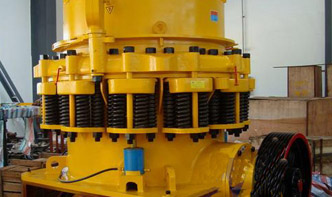
A hammer mill is a robust size-reduction machine that utilizes high-speed rotating hammers to impact and shatter materials. Key components include:
1. Rotor: The central rotating shaft equipped with hammers.
2. Hammers: Hardened steel bars that strike the material.
3. Grinding Chamber: Enclosed space where crushing occurs.
4. Screen/Grid: Determines the final particle size by controlling discharge.
These mills excel in processing abrasive materials like limestone, granite, and recycled concrete, offering versatility for both primary and secondary crushing stages.
1. What materials can a hammer mill process?
Hammer mills handle brittle to medium-hard materials, including aggregates, minerals, and recycled construction waste.
2. How to control output size?
Adjust the screen aperture or hammer speed; finer screens yield smaller particles.
3. What are typical maintenance requirements?
Regular inspection of hammers, screens, and bearings ensures longevity.
A quarry in Texas upgraded to a high-capacity hammer mill to process limestone for road base material. The solution increased throughput by 30% while reducing energy costs by 15%, showcasing the mill’s efficiency in large-scale operations.
Hammer mills remain indispensable in aggregate production due to their reliability and adaptability. Innovations in wear-resistant materials and automation continue to enhance their role in sustainable construction practices. For tailored solutions, consult manufacturers to match specifications with project demands.

