The Mobile Transfer Station in Waste Management and Its Parallels to Aggregate Processing Equipment
The waste management industry has seen significant advancements with technologies like mobile transfer stations, which optimize the collection and transportation of municipal solid waste. Similarly, the aggregate processing sector relies on mobile crushing and screening plants to transform raw materials into high-quality sand and gravel for construction.
Industry Background
Both industries prioritize efficiency, mobility, and environmental sustainability. Mobile transfer stations reduce landfill trips by compacting waste, while mobile crushing plants minimize hauling costs by processing materials on-site. The demand for such solutions is driven by urbanization and infrastructure development, requiring scalable and flexible equipment.
Core Technology: Mobility and Automation
Modern mobile crushers, like mobile transfer stations, integrate advanced features:
Key Applications
1. Urban Construction: Mobile plants process demolition waste into reusable aggregates.
2. Mining: On-site crushing reduces transportation costs for remote projects.
3. Road Building: Produces spec-compliant base materials efficiently.
FAQ Section
Q: How does a mobile crusher compare to stationary plants?
A: Mobile units offer lower upfront costs and flexibility but may have slightly lower output capacity.
Q: Can recycled materials be processed?
A: Yes, advanced screens and magnets separate metals from crushed concrete/asphalt.
Q: What maintenance is required?
A: Regular wear-part inspections (e.g., blow bars, liners) and lubrication are critical.
Case Study Example
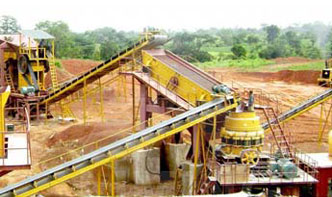
A highway project in Texas utilized a ® LT1213 impact crusher to process limestone onsite, cutting hauling costs by 40% and completing the project 3 weeks ahead of schedule.
Conclusion
Just as mobile transfer stations revolutionize waste logistics, portable crushing systems are transforming aggregate production. Investing in the right equipment—prioritizing fuel efficiency, automation, and after-sales support—can significantly enhance operational ROI in both sectors. Future trends may include hybrid power systems and AI-driven predictive maintenance.

