The Aggregate Industry in Alaska: Focus on Anchorage Wash Plants
The aggregate industry plays a vital role in Alaska’s construction and infrastructure development, particularly in Anchorage, where harsh weather conditions demand durable materials. Crushed stone, sand, and gravel are essential for roadways, buildings, and other projects. Wash plants are critical equipment in this sector, ensuring the removal of contaminants and the production of high-quality aggregates.
Alaska’s rugged terrain and remote locations pose unique challenges for aggregate production. Anchorage serves as a hub due to its accessibility and growing urban needs. Wash plants help process raw materials extracted from local quarries or riverbeds, separating silt, clay, and organic matter to meet strict ASTM specifications.
Modern wash plants integrate several key systems:
1. Feeding & Screening – Scalping screens remove oversized debris before material enters the washing phase.
2. Log Washers or Scrubbing Drums – These aggressively break down clay-bound aggregates.
3. Sand Screws or Dewatering Screens – Separate fine particles while recovering water for reuse.
4. Water Management Systems – Crucial in Alaska to prevent freezing and comply with environmental regulations.
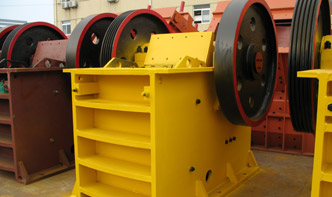
Typically sand, gravel, and crushed stone; some advanced units handle recycled concrete or slag.
Insulated housings, heated water lines, and enclosed structures mitigate cold-weather issues.
Yes—modular designs allow quick relocation and setup in temporary mining areas.
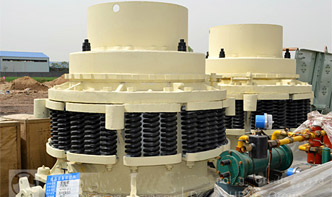
A recent highway expansion near Anchorage utilized a 200-ton/hour wash plant to process glacial gravel deposits contaminated with silt. The plant’s dual sand screws improved yield by 15%, while its closed-loop water system minimized discharge—key for Alaska’s sensitive ecosystems.
As Alaska continues developing its infrastructure, efficient wash plants will remain indispensable for producing clean aggregates sustainably. Innovations in water recycling and cold-weather adaptability ensure these systems meet both industrial demands and environmental standards effectively.”

